There is a fragile dance in every relationship, a delicate balance between presence and absence, closeness and distance. Trust feels like solid ground beneath our feet, a foundation we rarely questionuntil one day, it starts to feel less stable. What if the breaking point of trust isn’t marked by a loud argument or a dramatic fallout, but by a quiet, almost invisible shift?
The Slow Fracture No One Speaks Of
Trust doesn’t shatter in a bang. It unravels in silence. This isn’t about momentary anger or a storm of emotions. It’s a growing stillness, the absence of an exchange that once mattered intensely. Notice when someone stops needing younot in an antagonistic sense, but in the simplest, most profound way. When their doubts no longer find a resting place in your words, when your truth feels less like shared territory and more like a solo island.
Shared vulnerability is the currency of trust. When this wanes, trust disappears quietly, piece by piece, without the fireworks that often signal a breaking point. We fail to see the slow cracks until the ground beneath usthe relationshipis uneven and fragile.
It’s the end of shared risk. Once, there was an understanding that both parties could lean in, expose fears, and bear uncertainty together. Then, one day, that willingness dissolves. One person stops bringing their worries to the conversation. They no longer ask for your perspective or invite your honesty. The echo of trust fades with this silence.
The Invisible Shift in Connection
This erosion is subtle because it happens in the spaces between words and actions. It’s not a dramatic withdrawal or a sudden coldness. It shows up in the details. The glances no longer linger, the check-ins become perfunctory, the shared laughter feels hollow. The person who once sought refuge in your presence seems to move further awaynot outwardly, but in a way that your inner worlds no longer sync.
We are wired to notice overt rejection and conflict easily, but the quiet dissolving of trust is harder to recognize because it's painlessat least initially. No accusations, no shouting. Just a growing distance that can be mistaken for normal ebb and flow or simply busy lives pulling people apart.
Yet this distance carries weight. When someone stops inviting your truth, they stop acknowledging its value in their life. That moment is a turning point, often invisible to both sides, yet profound in its implications. It’s as if trust is a fire, and the momentum of shared openness is the kindling. Without that, what once kept the flame alive slowly starves.
Why We Miss the Signs
Ignoring the silent fissures in trust is a common human pattern. Because silence is less alarming and more ambiguous, it’s easier to dismiss or rationalize. We tell ourselves people get tired, distracted, or overwhelmed. We hope it’s temporary, waiting for the closeness to return with time or circumstances once again align.
There’s also vulnerability in naming these quiet losses. It forces a confrontation with discomfort we often want to avoid. To admit that trust is slipping away without the dramatic rupture means facing the reality that the relationship’s foundation is more fragile than we thought. It’s a kind of pain without an outletcomplex and difficult to address.
Trust requires two willing participants who keep choosing to lean in, to ask questions that matter, to listen beyond the surface. When this shared commitment wanes, the cracks deepen quietly. The absence of conflict is not always a sign of harmony but sometimes of disengagement.
Trust as Shared Risk
Trust is a shared risk. It is risky because it asks us to make ourselves known and remain open, despite uncertainty. When trust is alive, there is a certain courage in both partiesa readiness to be seen fully and the hope that this will be met with acceptance, not judgment.
As the need for this shared risk fades, it signals a shift in how someone perceives the relationship’s emotional currency. They stop betting on mutual vulnerability because the payoff feels uncertain or unsafe. This retreat may be protective, a defense against disappointment or pain. Ironically, this silence meant to protect also seals the fate of trust.
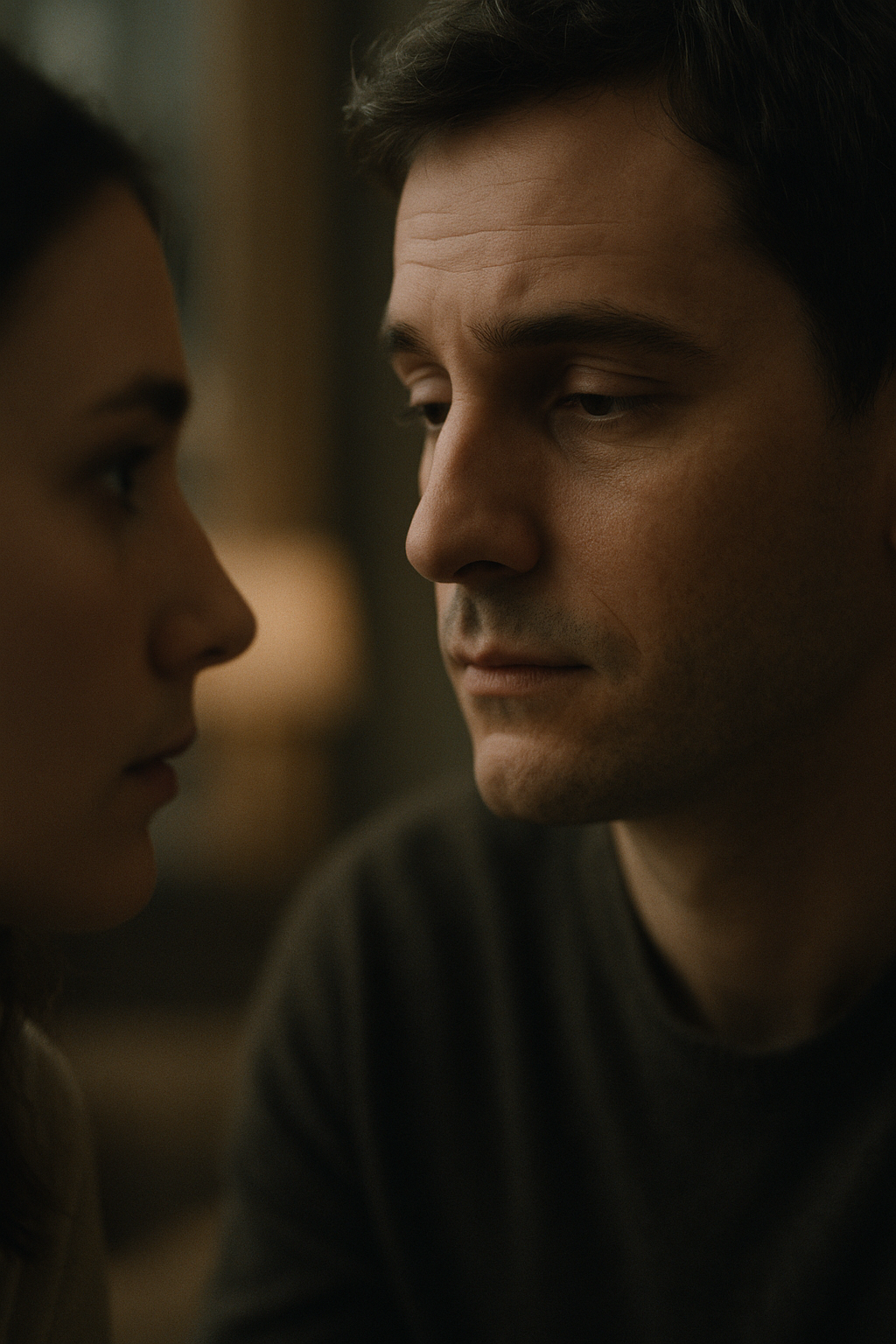
This dynamic has a cinematic quality. Imagine two characters in a quiet scene, sitting side by side yet worlds apart. There is no fight, no outburst; only the subtle absence of connection. The camera lingers on their faces, capturing the intangible air of something lostsomething felt deeply but not spoken.
Holding Space for the Unspoken
How do we respond to this quiet erosion? Often, our instinct is to fill silence with words, explanations, or reassurance. That can help, but sometimes, the most powerful act is noticing the absence, naming it gently within ourselves or with the other, if possible.
Acknowledging the slow fracture is not about blame or judgment. It’s about recognizing the emotional truth of a shift and allowing space for its complexity. Sometimes, that quiet moment is an invitationan opportunity to re-engage before the distance becomes unbridgeable.
Even when trust fades beyond repair, the awareness of how it happens can teach us something vital about connection and loss. It reminds us that relationships are living, breathing entities that need care in the in-between momentsnot just in the highs and lows.
Closing Reflection
Trust is not a destination but a continuously negotiated space, fragile and precious. It invites us not only to see the big moments of rupture but to hold the quiet onesthe subtle fade-outs, the unsaid hesitations, the absence of shared doubt. These are the spaces where trust is tested and, sometimes, lost.
To notice these moments requires presence, emotional sensitivity, and courage. It asks us to sit with discomfort without rushing to fix or explain. Because some fractures are not made to be repaired immediately, but understood deeply.
There is a certain grace in witnessing trust’s slow fadingbecause in that witnessing, we learn about the rhythms of connection, the weight of silence, and the human heart’s quiet yearning to be seen and chosen again.
This article is intended for reflection and entertainment purposes only.