There’s a peculiar moment that often goes unnoticed yet carries a weight far beyond its silencethe split second before we move. The moment when your body hesitates, the very instant you freeze before reaching out, speaking up, or stepping forward. It’s a small quiet space suspended in time and, strangely enough, it can say more than any action that follows.
In a world that’s always rushing, where movement is celebrated and stillness overlooked, this pause offers a hidden depth. It’s rarely the grand gestures that reveal the truth of how we feel or what we mean, but the small, still moments that cradle these gestures in a sharper light.
The Amplifier of Subtle Signals
Imagine a whisper in a roaring crowd. Alone, it goes unnoticed, lost in the noise. But when everything else falls silent, that whisper demands attention. This is what stillness does to our smallest movements.
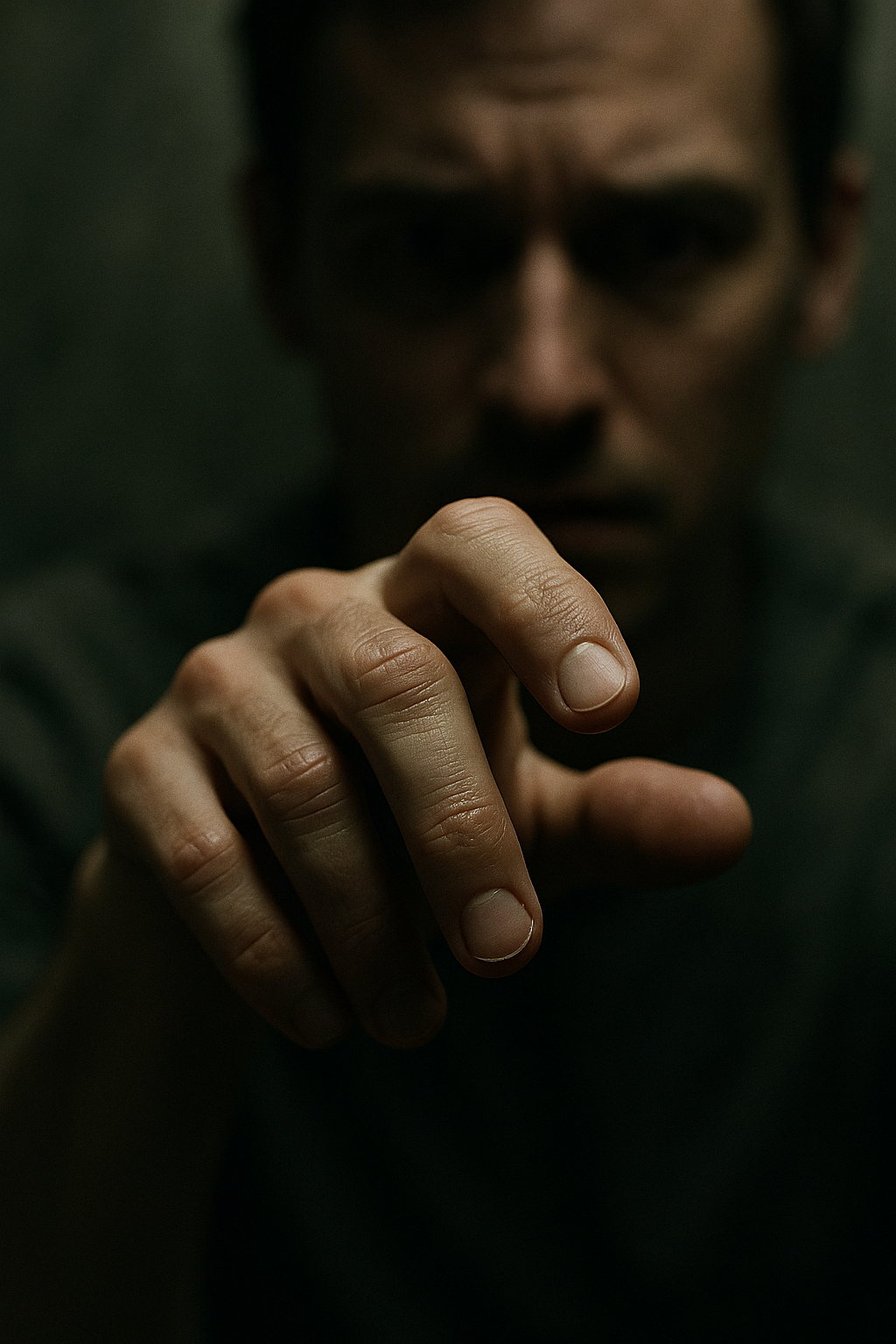
When you hesitate before actingmaybe just shifting a finger, the flicker of a browit becomes impossible for others to ignore. The silence around these tiny signals pries open the space between people, inviting eyes to search for meaning and hearts to guess intentions.
Psychologically, this is no accident. Human beings are wired to pick up on the faintest cues during moments of stillness. Our brains crave context and coherence and when there is a pause, every twitch or glance becomes evidence, a piece of a puzzle others want to solve.
For those who feel out of place or uncertain in social spaces, this can be both a challenge and a revelation. That restless pause before movement might feel like an awkward freeze, but it is also a powerful form of expression loaded with meaning.
Why Do We Freeze Before Moving?
Freezing before a move is more than hesitationit’s a moment of gathering. Our bodies slow down when the mind wrestles with uncertainty, or when we are hyper-aware of how others might receive us. The pause holds a mixture of anticipation, risk, and hope.
In these brief moments, our nervous system toggles between fight, flight, and what some describe as "freeze." Despite the discomfort, freezing acts as a form of emotional calibration, a way to prepare not just the body but the story we want to tell with our next motion.
It’s as if stillness turns up the volume on anxiety and courage at once. The shifting finger or raised brow is more than a twitch. It is the language of vulnerability, a nonverbal confession that says, “I’m here. I am present. I am considering what happens next.”
When Stillness Becomes the Story
Movement alone can be loud and messy. But framed by stillness, even the smallest gesture becomes part of a narrative that commands attention. The pause creates contrast that illuminates intention and feeling. It transforms a simple glance or a single step into a statement.
This is one reason why in film, directors linger on moments before a character moves. The silence is not empty; it is pregnant with possibility. It shapes how we, the audience, read the scenethe hesitation is the key to deeper understanding.
In life, we rarely get cinematic cuts and close-ups, but stillness offers a similar frame. It turns an otherwise unnoticed tick of a finger into a reveal about how someone is feeling beneath the surface.
The Invitation in the Pause
For those who feel socially out of place, the still moment can be intimidating but also deeply inviting. It asks not for rushed action but for presence, reflection, and honesty.
When you pause before speaking or moving, you invite others to lean in and listen for what is not being said outright. The stillness becomes a bridge, rather than a wall, connecting your inner world with theirs in a way that rushed movement often cannot.
This doesn’t mean every pause will be perfectly understood or welcomed. But it acknowledges an essential truth about human communication: meaning often lives between words and between actions.
Embracing the Power of Stillness
Perhaps the greatest insight here is that stillness is not emptiness. It is not awkwardness to be feared but a rich moment to be embraced.
When you freeze before a move, you are not stuck. You are making space for intention. You are allowing your gesture to resonate more deeply.
In a world that demands we always do and speak, choosing stillness often feels countercultural. Yet those small pauses create the tension that makes the eventual movement sincere and unforgettable.
So the next time you find yourself momentarily frozen, remember: within that silence, you are speaking volumes. Your stillness is not weakness but a subtle unveiling of your hidden humanity.
This article is intended for reflection and entertainment purposes only.