
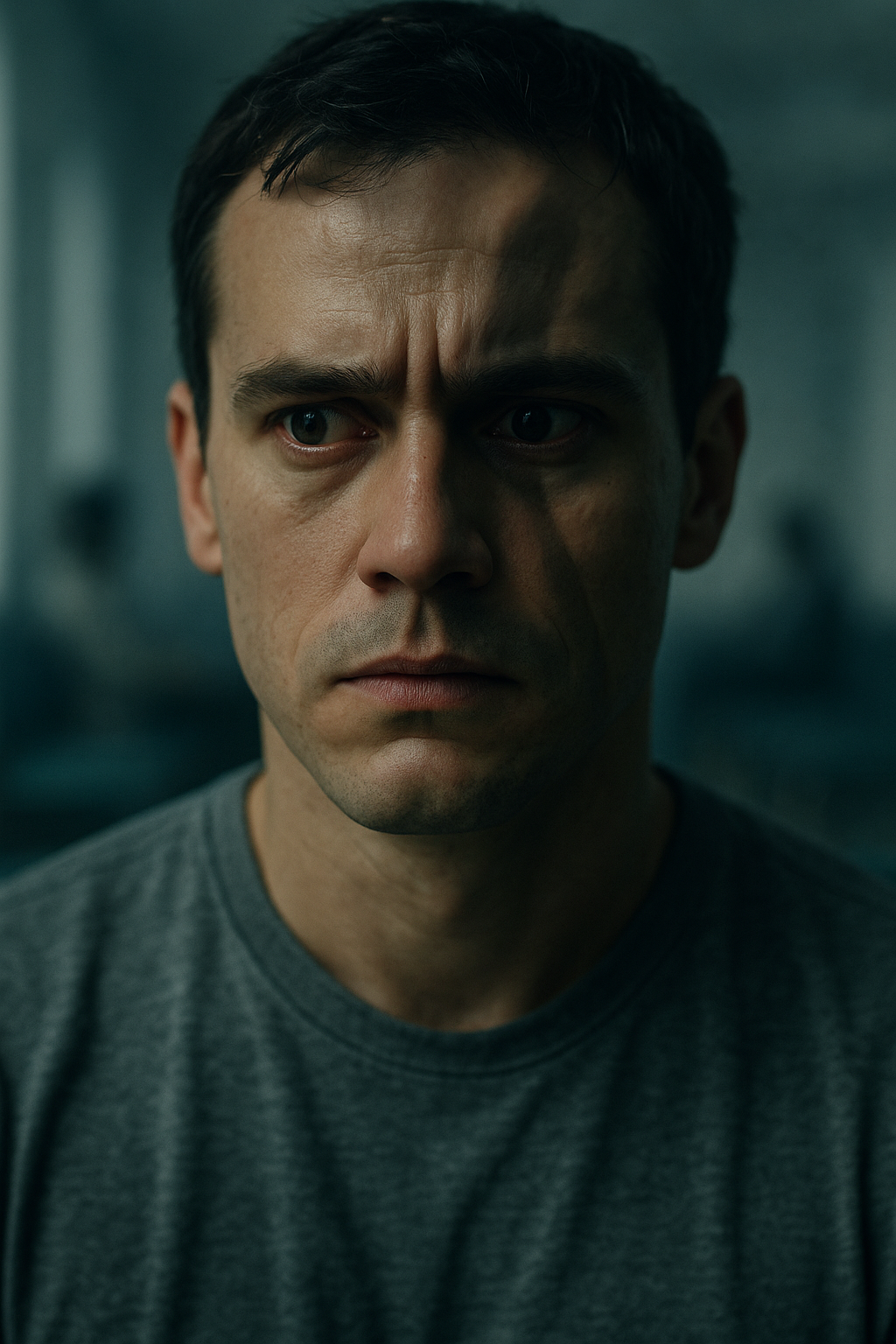
There is a peculiar kind of tension that settles in the air the moment you step into a waiting room. It’s subtle yet tangible, like a stillness loaded with invisible weight. For many, this quiet space does not soothe or calm. Instead, it stokes a certain restless unease, a silent crescendo of anticipation that feels impossible to shake. What is it about waiting rooms that turns simple patience into something far more unsettling?
The Stretching of a Moment Into an Era
Think of that split second just as the door opens. Something shifts a flicker of expectation, perhaps a flicker of dread. Outside that pause, the world moves on. Inside the waiting room, time seems to dilate. Suddenly, the moment between fear and relief is stretched, pulled taut like the string of a bow.
Our minds do the invisible work here, looping through scenarios, counting the seconds, rehearsing the unknown. The waiting room does not just hold usit amplifies the internal noise. What would ordinarily be a brief flicker of anticipation becomes a sustained and dizzying echo.
Counting the Invisible: The Burden of Anticipation
There is something quietly cruel about waiting rooms: they ask us to count what we cannot see. The hands of the clock might move, but the outcome remains hidden, locked behind the closed door. This absence becomes the stage on which our anxiety performs.
Psychologically, our brains are not at ease with uncertainty, even small doses. When faced with ambiguity, the mind races to fill the gaps with possibilities, often skewed toward the worst. The mind’s default is not peace but preparation, not calm but alertness.
This makes waiting rooms fertile ground for mental loops. The longer you sit, the louder the quiet becomes. It is almost as if the silence breathes, coaxing deeper reflection on what’s next. And reflection, when it spirals unchecked, can spiral into worry.
Patience as a Fraying Thread
Patience feels like a fragile resource here, something finite and precious. The waiting room tests it relentlessly. Each minute adds a layer of restlessness, small cracks forming in the veneer of calm.
But what is patience, really? More than just enduring time, it’s a tension between control and surrender. In waiting rooms, the balance often tips toward the former. We want control, clarity, an end to the unknown. But the mystery holds on tight.
In this liminal space, patience is stretched thin. It becomes less a shared human virtue and more a personal struggle to hold the anxious floodwaters at bay.
The Human Story Behind the Anxiety
At its core, the anxiety felt in waiting rooms is not about the waiting itself but what it symbolizes. These rooms are quiet theaters of vulnerability, places where uncertainty meets our deep longing for safety and certainty.
They remind us how much our minds tether us to the future, to what might come. The invisible countdown becomes a metaphor for the larger unknowns in life: health, fate, change. We carry this with us quietly, without words, as a reflection of our shared human fragility.
Yet there is also a human grace herein recognizing this vulnerability, in the gentle awareness that anxious waiting is deeply natural. It is a sign of our investment in what matters, of the weight that unseen moments carry.
Finding Presence in the Quiet
If waiting rooms heighten anxiety by stretching anticipation, they also offer a hidden invitation. Beneath the uncomfortable stillness lies a chance to meet the moment as it is.
This does not mean silencing the worry or forcing calm. Rather, it means acknowledging the echo of anxiety without letting it consume. It means noticing how the mind drifts and anchoring gently back to the present breath, the shape of the chair, the sound of the air.
In the small spaces between moments, there is room for a quiet kind of witnessing. It is a practice of being human, wholly and without escape, all at once.
Closing Reflection
The waiting room reveals much about how we engage with uncertainty. It exposes our inner dialogues, the invisible calculations, and the fragile hold of patience. It is a place where time is not just measured but feltdeeply and often uncomfortably.
But there is beauty in this exposed vulnerabilitythe human gesture of sitting with what we cannot yet control. Anxiety in waiting rooms is not just a symptom but a mirror to our shared experience of hope, fear, and the unpredictable rhythm of life.
Next time you find yourself in that still space, try to notice the quiet pulse of your mindnot as an enemy but as a reminder that you are present, vulnerable, and profoundly alive.
This article is intended for reflection and entertainment purposes only.