
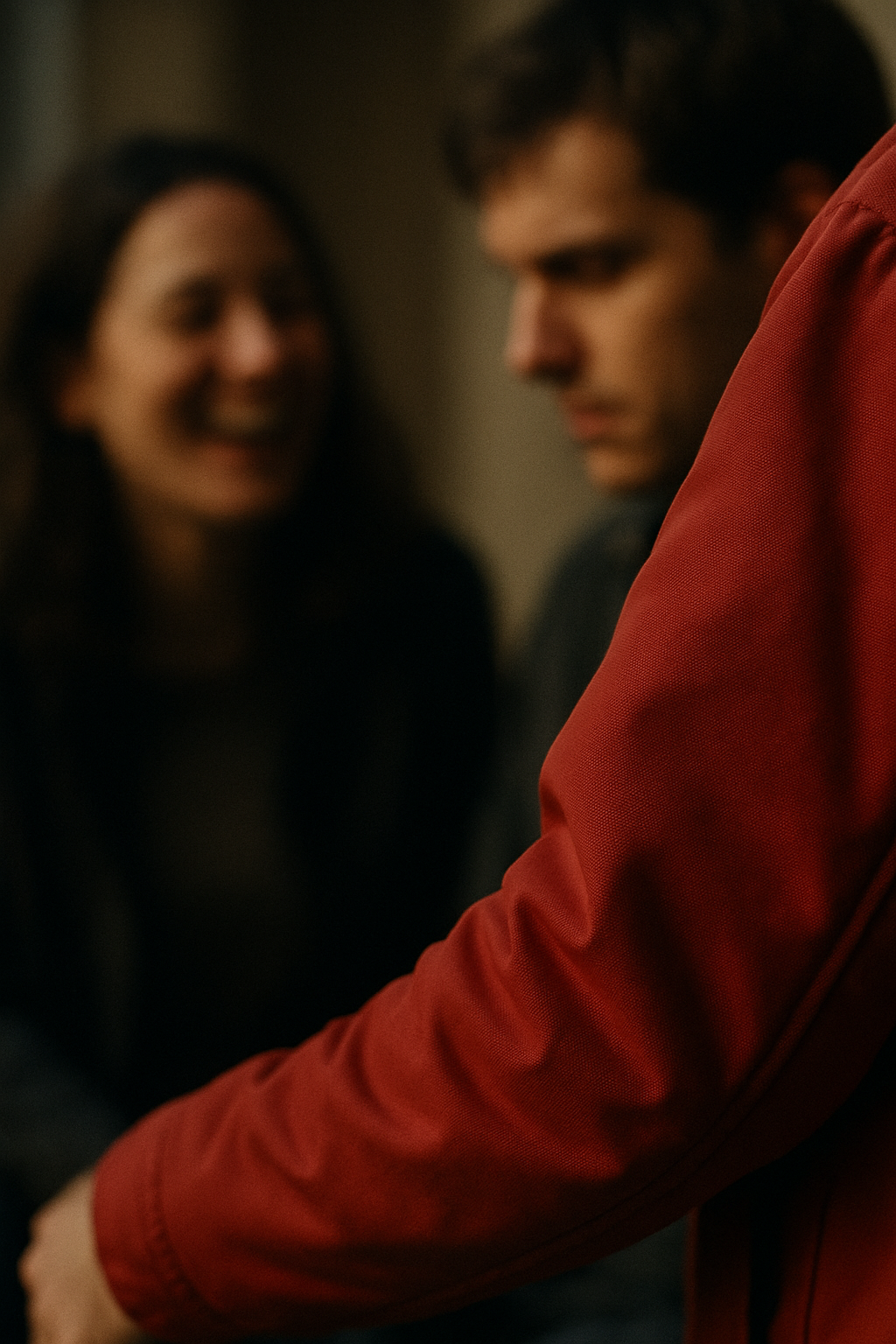
There is something almost cruel about how rejection clings to the smallest, most ordinary details of a moment. It is never just the "no" that echoes in our minds, but the sound of a laugh, the way a jacket folded when they turned, or the particular shade of sunlight in a room that somehow feels etched into memory. These fragmented impressions refuse to fade because they are the threads we grasp to understand what slipped through our fingers.
Why Rejection Turns Details Into Imprints
When we face rejection, our brains do not merely file away the event. Instead, they unravel it into pieces, pulling out textures, tones, and sensations. This happens because rejection stirs a sense of incompleteness or loss that our minds instinctively want to resolve. But the strange truth is that closure is often unreachable, so our attention settles on the surrounding fragments.
This intense focus is not about logic or explanation alone. It is deeply emotional. Those detailsthe catch in a laugh, the way light falls on a scarfbecome symbols of what was lost and what we desperately want to understand. They turn into a silent search for meaning, an effort to explain why we weren’t seen or chosen. Our memories intensify these nuances because they are the only footholds we have in a moment that feels overwhelmingly unclear and painful.
The Texture of Memory in Emotional Pain
Memory rarely records events as whole, neatly packaged stories. Instead, it holds onto sensationslike the roughness of a sleeve, the abruptness of a glance, or the rhythm of a voice. When rejection pierces us, these sensory fragments grow disproportionate to the event itself.
Psychology suggests this happens because the brain is wired to prioritize emotionally charged experiences. The amygdala, a structure central to processing emotion, interacts with memory systems to make these flashes more vivid and lasting. But beyond the neurological explanation lies something more human. The fragments become a kind of emotional shorthand, a way to carry that moment with us without having to relive the rawer feelings of shame, confusion, or grief in full.
In this way, ordinary details become part of a tacit dialogue we hold with ourselves. They are proof that we were in that space, that we matteredeven if for a moment. They anchor us to a truth that is hard to face: sometimes we are glimpsed but not truly known.
The Hunger Not for Closure but for Connection
It’s a common misconception that after rejection, what we crave most is closuresome definitive answer that puts an end to the uncertainty. But often, what we really hunger for is something quieter: to understand, to connect, to be recognized.
Our fixation on minutiae is an expression of that hunger. It’s less about resolving the story and more about keeping the story alive in a way that feels tangible. Each remembered detail is a fragment of connection, a whisper that maybe, just maybe, if we look closely enough, there is some unseen reason or hidden truth.
This craving explains why memories after rejection feel vivid yet painful, familiar yet elusive. They remind us that we are not simply objects to be discarded; they are markers of our ongoing presence in another person’s worldeven if that presence was fragile or fleeting.
The Quiet Hunger and Its Place in Healing
This lingering focus on details can feel like a slow burn. It doesn’t shout but simmers beneath the surface, shaping how we think about ourselves in relation to others. It tempts us to fixate on what wasn’t said, to replay the moment endlessly.
Yet, this quiet hunger also carries an essential part of healing. Remembering these fragments helps contain the emotional echoes of rejection, giving them form and texture. It can offer a way to make the experience more manageable, less abstract.
With time, these details become less about pain and more about the complexity of human connectionthe frailty, the unpredictability, and the ways we seek traces of belonging even in absence. They remind us we are deeply wired to reach for understanding in moments that feel senseless or incomplete.
Remembering Beyond the Hurt
In the end, the sharp memory of small details after rejection tells a deeper story about our need to be seen. When someone looks right through us or quietly turns away, it leaves an imprintnot just on our minds but on our sense of self.
These imprints are not failures to forget but invitations to reflect. They challenge us to sit with discomfort and ambiguity, to honor the fragments rather than push them away. In doing so, we learn that the vividness of memory can be a witness to our humanity, not just a reminder of what hurt us.
To carry these moments peacefully is to accept that human experience is often messyfractured, incomplete, and textured with both light and shadow. And within that complexity lies a kind of quiet, resilient beauty.
This article is intended for reflection and entertainment purposes only.