There’s a quiet kind of power in the way we look at each other. One shared gaze can linger like a soft weight or crack like a spark. But beyond connection, beyond the unspoken signal, a gaze has the strange ability to rewrite our memories. It doesn’t just witness what happened. It alters what happened. Like ink bleeding over a page, that single look bends the past into something new.
Memory Is Not Frozen Time
We often think of memory as a snapshot locked in a dusty frame, something fixed and unalterable once the moment passes. But memory is a living landscape, more fluid than we admit. It is reshaped with every thought, every feeling, every interaction. When you hold someone’s eyes for a moment longer, your brain doesn’t just record that intimacy. It folds it into your recall, making the experience heavier, more vivid, or sometimes more confusing than it started out.
Psychologists call this reconsolidationthe process by which recalling a memory makes it malleable, open to change. What’s striking is that this change can happen in real time during something as simple as eye contact. That gaze is not a passive observer but an active participant, embedding itself into the memory and shifting the way you hold that moment in your mind.
Why Locked Eyes Feel Weightier Than Words
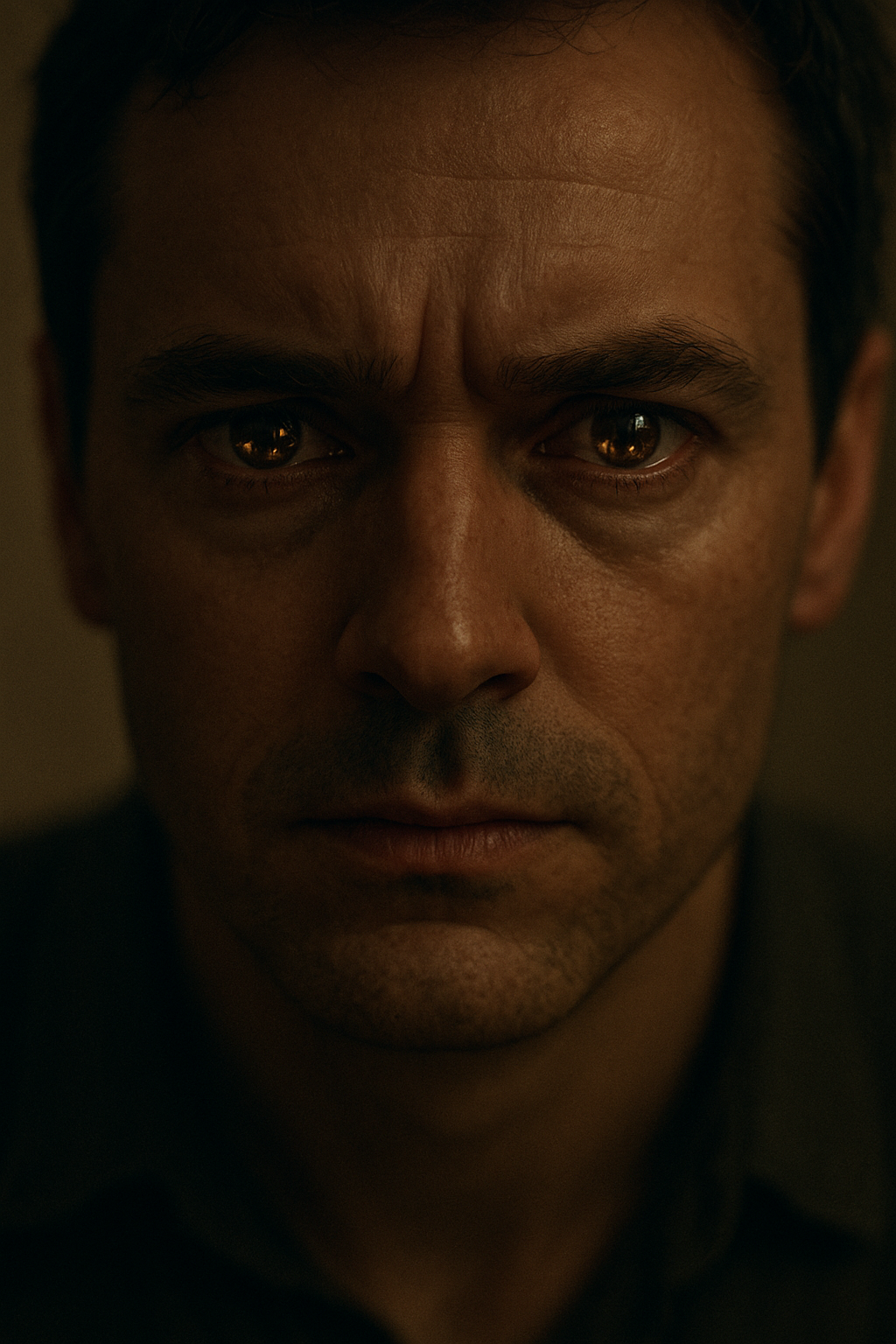
Think about the last time you locked eyes with someone, even if just for a breath. That complex alchemy of vulnerability, intent, and silent communication builds an emotional pressure that words alone rarely reach. Eyes carry histories, fears, desires. They send messages in a language older than speech.
That weight is why a glance held longer than usual can feel like a door closing or opening inside you. It presses against your sense of self and meaning. Your brain instinctively treats that moment as significant and folds it into the story you tell yourself about what happenedsometimes altering details you otherwise would have taken for granted.
Your memory becomes less about a pure recounting of facts and more about the emotional texture of that gaze. Who was looking? With what intent? How did you feel at the moment your eyes met? These pieces don’t just accompany the event; they color and sometimes rewrite it.
The Invisible Hand in Every Recollection
What fascinates me is how little attention we pay to where our eyes roam during a conversation or a scene. Despite their silent influence, eye contact changes what we encode and what we overlook. Imagine two people recalling the same argument, the same nightthe one who locked eyes with their partner might come away carrying a heavier emotional residue. Another who avoided the gaze might remember the exchange as sharper but colder, more factual and less textured.
This shows us that memory is not just shaped by what we choose to focus on, but also how the other person chooses to hold our gaze. There’s a choreography in looking and being looked at that governs not just present connection but the past itself.
What This Means for How We Know Ourselves and Others
In relationships, both fleeting and long-term, this interplay of gazes and memories has profound consequences. It reminds us that our memories aren’t entirely our own. They are shaped in the crucible of shared attention and unspoken communication. They are porous and susceptible, vulnerable to the subtle forces of presence.
This is both disorienting and deeply human. Disorienting because if our past is always shifting with the way someone looks at us, what can we trust? Deeply human because it highlights the interdependence of self and other. The way we see each other helps shape who we are, past and present.
It invites a gentler kind of self-reflection, where we recognize that the memories that anchor us are not prison bars but living threads connecting us to others. And those threads are woven not just by words but by the gaze.
Watching the Eyes to Watch Ourselves
If memory bends under the weight of a single glance, then watching the eyes becomes an act of mindfulness with profound implications. To slow down and notice the gazeour own and others’is to open a window into how experience is continually sculpted.
Next time you find yourself recalling an old conversation or lingering image, ask yourself: whose eyes did I meet? How long? What did those eyes silently say in that moment? By tuning into these questions, memory shifts from being a passive retrieval to an active process of re-embodiment.
You aren’t just remembering the past. You are remembering how the past looked at you.
Closing Reflection
There is a quiet magic, and perhaps a subtle danger, in this intimate eye contract. The gaze does not only connect us but also reclaims and rewrites the narrative of what we have lived. Our memories are the ever-changing tapestries where our own eyes and others’ meeta constant remaking of meaning.
In this light, to see someone fully is not just to witness but to participate in their story, and they in ours. The eyes, simple and unassuming, carry the profound responsibility of choosing what parts of our shared moments survive and which fade.
Perhaps this is a call to be present, not just with our words but with our gaze. To recognize its power and to wield it gently, knowing that beneath the surface of every look lies the possibility to change the past while shaping the present.
This is the hidden human truth behind a single gaze.
This article is intended for reflection and entertainment purposes only.