
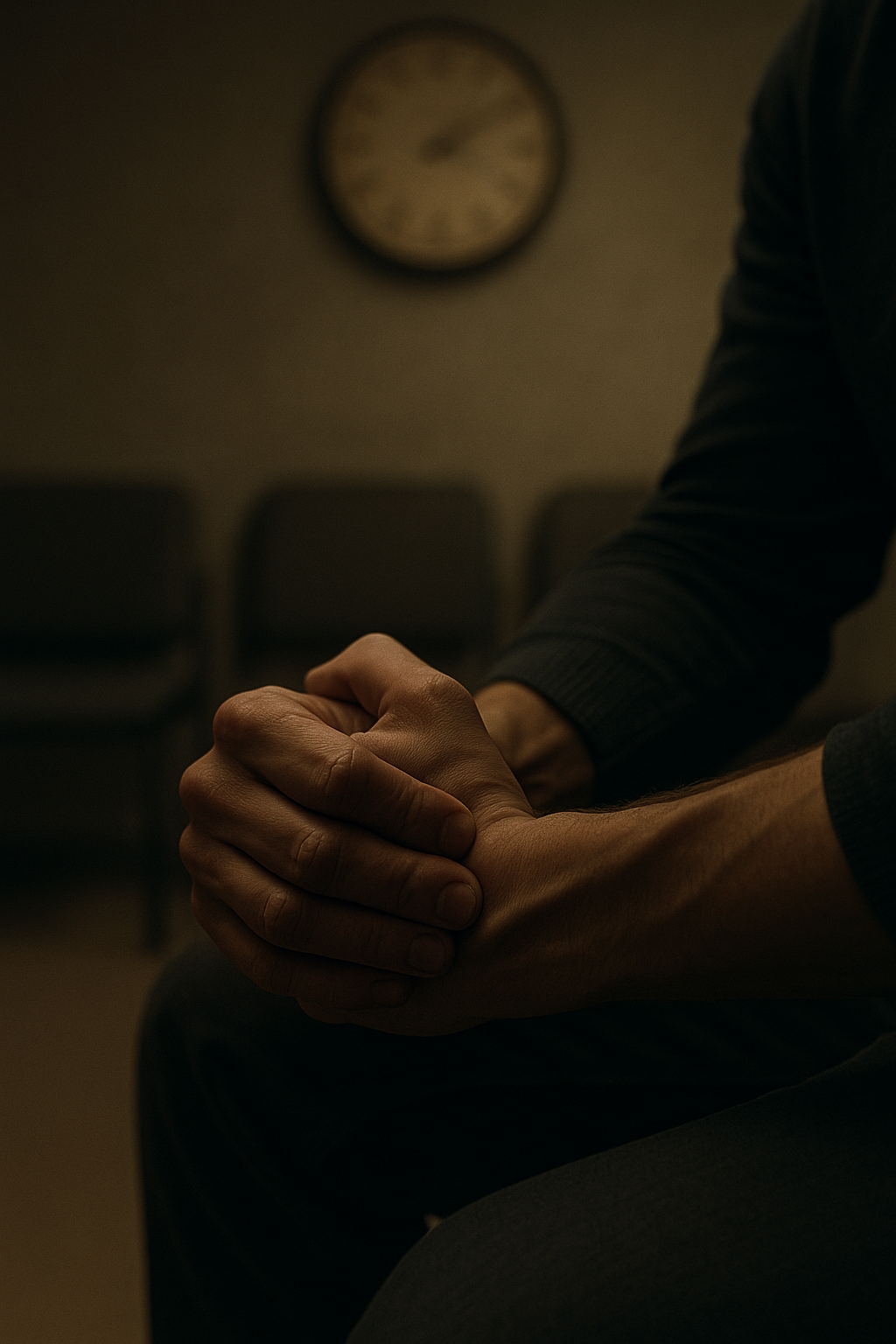
We sit in that sterile space, the clock ticking louder than usual. The silence around us feels heavier than air. Waiting rooms are places where time isn’t kindit expands, lingers, and in that stretching, our worries begin to take shape. But why does something as simple as waiting sharpen the edges of our fear? Here, in the pause before what comes next, the hidden anxieties we keep buried start to breathe.
The Weight of Suspended Time
Waiting rooms don’t just freeze us in place. They coil time into something dense, tactilealmost suffocating. Our body knows this. The nervous system doesn’t quietly sit by while minutes drip slower. It senses uncertainty and reacts, calling forth subtle changes that deepen our unease. The heart may quicken, breaths shallow, muscles unconsciously tense. This physical response isn’t about panic yet, but an alertness, a readiness. Our biology is primed to act, but the situation demands stillness. That contradictionprimed for movement but forced into pauseis deeply uncomfortable.
The seconds aren’t empty spaces. They are charged with meaning, often the kind we resist facing. When we wait, our brain drifts into possibilities, stories spun by emotion more than fact. The mind loops through what ifs, each scenario pulling a string of tension tighter. This mental habit can feel like an internal trap because the suspense holds a mirror to our fearsthe unknown, loss of control, or judgment.
Fear Lives in the Pause
Curiously, the anxiety of waiting isn’t always tied to what we anticipate. The fear lives in the space before it, in the silence where outcomes hang uncertain. When the door finally opens, whatever comes next suddenly seems clearer or more manageable. But those moments before? They are raw, unfiltered encounters with ourselvesour vulnerability, hope, and doubt.
The walls of waiting rooms further frame this experience. Often bland, they carry subtle messages. Institutional colors, posters with muted slogans, the faint hum of fluorescent lightsthese visual cues can add to a sense of foreboding or isolation. The space feels designed to be neutral, but neutrality in these moments can feel cold and distant, as if the room itself holds back a secret it won’t share.
The Body’s Whisper in Stillness
While our minds race, the body speaks softly but insistently. Physiological responses to uncertainty are ancient and deeply wired. When facing a threat, real or imagined, the sympathetic nervous system gears up, priming us to confront or escape. Holding still while this surge builds creates a disconnectour instinct demands action but the situation blocks it.
This dissonance can manifest as restlessness or a creeping sense of dread. It’s why some try to dissipate the tension through distracted behavior: scrolling phones, tapping feet, or asking repeatedly how much longer. These small movements and noises break the weight of waiting, even if only momentarily.
Importantly, this response doesn’t weaken with age or experience. In fact, as we grow older, the stakes embedded in waiting often grow heavier. Whether waiting for news about a loved one, a doctor’s appointment, or a difficult conversation, the context layers our bodies’ reactions with accumulated memories, hopes, and fears.
Waiting and Relationships: The Silent Strain
Waiting rooms are not just clinical spacesthey often hold deeply relational meaning. Waiting to hear about someone’s health, waiting for a partner to arrive, or processing silence during difficult times in relationships sheds light on human connection in a profound way.
When we wait, we are vulnerable in the presence of connection and its fragility. The silence between us doesn’t simply test patience; it uncovers the unspoken tensions, unmet expectations, or unacknowledged fears that lie beneath. The pause stretches the emotional space, amplifying what we feel but cannot say.
This is why waiting together can either build a quiet solidarity or deepen an invisible rift. Shared silence sometimes becomes an unspoken language, one where every gesture, glance, or lack thereof carries meaning. Whether comforting or alienating, this suspended time reflects the intricacies of human intimacyits anxieties, hopes, and resilience.
Learning from the Pause
Though waiting spaces can feel like pressure cookers of anxiety, they also offer moments for reflection. Our bodies and minds turn inward, confronting the quiet parts of ourselves we usually avoid. These moments reveal how tightly wound we are to control, certainty, and the appearance of composure.
In that stillness, we can catch sight of our humanitynot in triumph or breakdown, but in the delicate balance of fear and hope. Recognizing that waiting is never truly empty allows us to hold our vulnerability with gentleness instead of judgment.
When we leave the waiting room, the pause lingers with us. It never forgets. But neither do we. We carry forward a deeper understanding of ourselves, and sometimes, a readiness to face whatever waits on the other side.
This article is intended for educational, reflection, and entertainment purposes only and is not medical advice.