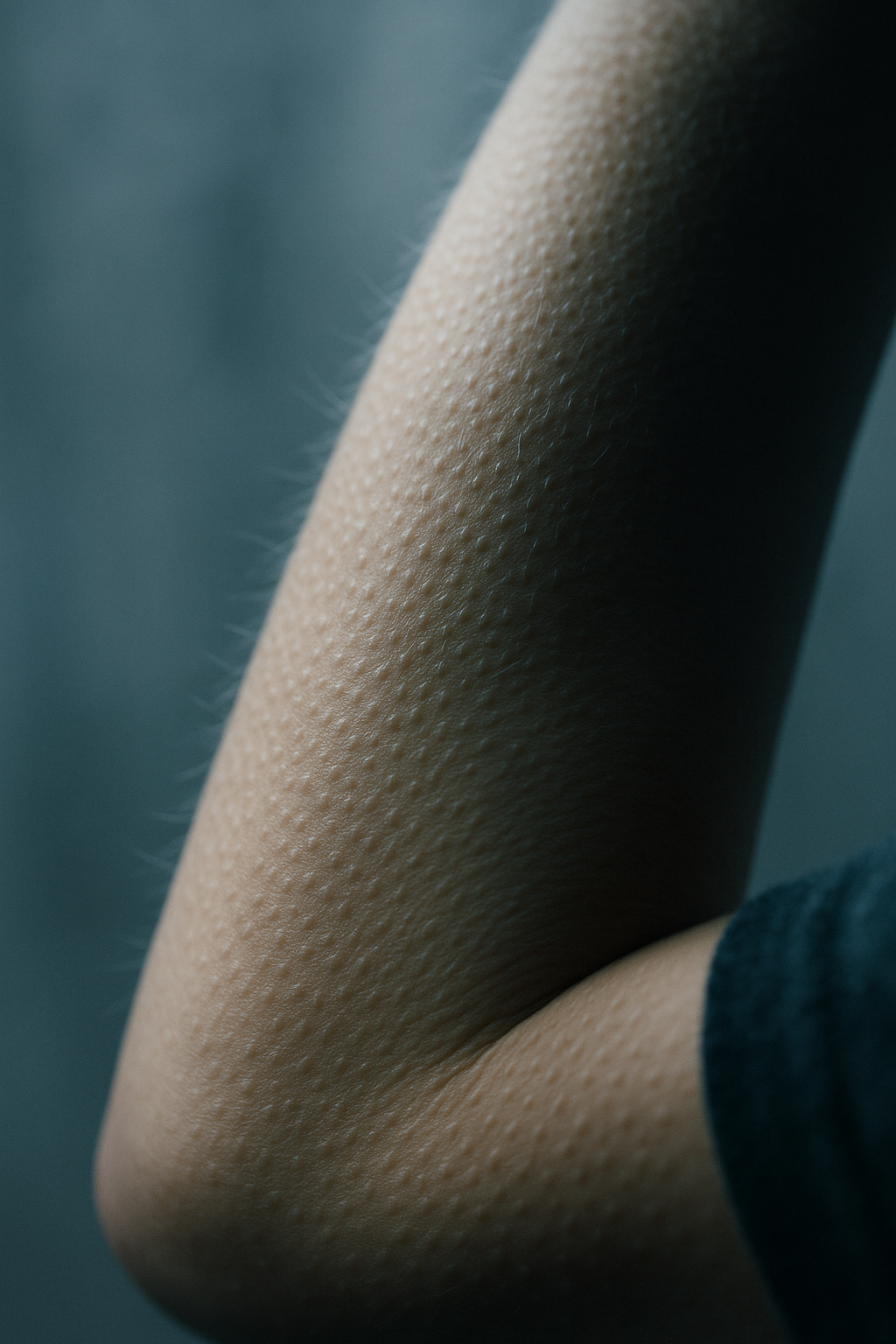
There’s a quiet moment your body holds before the unmistakable shiver runs through your frame. It’s easy to miss, fleeting and subtlethe prickling sensation that creeps along your skin, hairs rising up in a silent call to attention. Goosebumps. That small, almost invisible reaction is more than a quirky leftover from our ancestors. It’s an embodied whisper of your body’s earliest response to cold, a primal shield activated well before your teeth start to chatter.
The Subtle Strength Beneath Your Skin
When cold air brushes against your skin, you might think the first sign of your body’s fight with the cold is the shiver shaking your muscles. But actually, before shivering kicks in, your skin is already gripping the edges of warmth with tiny muscles attached to each hair follicle. These muscles contract, pulling the hairs upright. It looks like fluffing up, like a cat curling to make itself appear bigger. But this isn’t just a show of fluffy insulation.
There’s an invisible rigidity that forms beneath your skin’s surface. This stiffness reduces the flow of heat away from your body, a layering of defense you don’t feel consciously controlling. Goosebumps create a microenvironment, a subtle slowing of warmth escaping, buying your body precious moments. It’s a biological pause, a way your skin prioritizes preservation before recruiting the louder, more energy-consuming machinery of shivering.
This is a catch in time, a muted signal that your body is leaning in, subtly resisting. While shivering demands conscious awarenessteeth chattering, muscles flexinggoosebumps are your body’s hushed first armor, unnoticed but essential.
The Body’s Unseen Negotiation with Cold
Our evolutionary story is written on this landscape of skin and hair. In animals with thick fur, piloerectionthe raising of hairscreates an air pocket that traps warmth. Humans may have lost much of that fur, but the reflex remains coded in our nervous system. Even now, our skin tightens with goosebumps, drawing on the distant echoes of survival strategies.
This early tightening shows an exquisite example of the body working beneath the threshold of our awareness. It’s a reminder that much of our nervous system constantly negotiates with the environment without our permission or even notice. When the body senses cold, it doesn’t wait for us to decide. It acts instantly, intuitively.
What does this say about how we interact with the world? Often we think of will and conscious effort as the sole architects of survival, but here, the body proves its quiet independence. This reflex doesn’t rely on our attention or decision-making. It unfolds silently, a hidden act of preservation.
More Than Just Cold: The Emotional Flicker of Goosebumps
While goosebumps primarily respond to temperature, they also creep up during moments of emotional intensitya shiver down your spine in awe, fear, or something profoundly moving. This crossover hints at a shared thread between the physical and emotional realms within our nervous system, a common language of alertness and sensitivity.
The skin reacting with goosebumps mirrors that inner quiver when we encounter something thrilling, profound, or unsettling. In that sense, goosebumps are a visible signal of the body’s attunement not only to the physical world but to the emotional currents running beneath our consciousness. They mark the thin line where biology and subjective human experience blenda fleeting reminder that our bodies carry stories beyond cold or heat.
Goosebumps and Aging: A Quiet Reminder of Vitality
As we grow older, some of these reflexes soften or shift. The skin loses a bit of its elasticity, the muscles beneath weaken, and the nervous system’s finely tuned responses can feel less crisp. Yet, the presence of goosebumps at any age is a subtle marker of connection between the layers of our living selves.
This reflex, for all its smallness, reminds us how deeply embodied we are. Even in moments when we feel disconnectedfrom the rush of life, from our sensationsour skin remembers how to respond, how to protect. It carries the ancient conversation of survival within its tiny muscles contracting in the cold.
For older bodies, goosebumps can become less noticeable, but when they arise, they speak softly of resilience and the ongoing dialogue between inner experience and bodily intelligence.
The Quiet Courage in Holding On
Goosebumps can feel fragile, a small shiver on the skin’s surface. But they are anything but weakness. They are the body’s first whispered refusal to collapse, an act of quiet courage that precedes the louder, more strenuous defenses. They are the gentle hold your body takes before the storm of shivering, a soft but firm holding pattern.
In daily life, this reminds us of the hidden strengths within our physical selvesthe subtle ways our bodies prepare, protect, and persevere without fanfare. When you notice them, those tiny hairs standing on end, remember they are an intimate part of your body’s ongoing story of care and survival. They are the silent guardians you rarely see but who have been there since the beginning.
This article is intended for educational, reflection, and entertainment purposes only and is not medical advice.