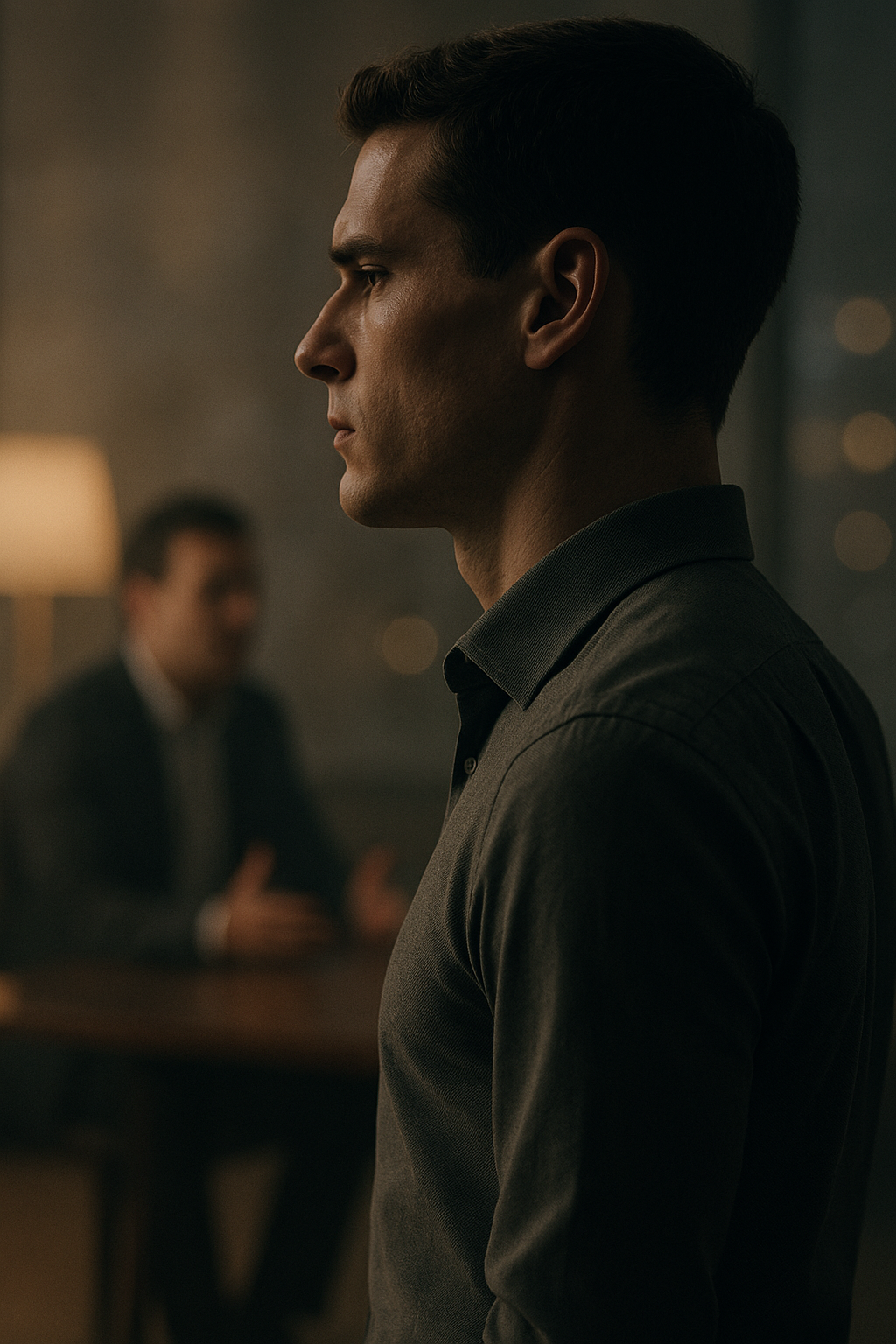
There’s a quiet conversation happening before you even say a word. It isn’t carried in the tone of your voice or the choice of your phrasing. It lives in the subtle architecture of your posturethe way your spine holds you, the tilt of your shoulders, the angle of your head. These small signals shape how others see you long before your first sentence lands.
Posture as a Silent Language
When you step into a room, your body begins telling stories, even if you want it to stay silent. A forward lean might read as eagerness or anxiety. A slight slump can suggest withdrawal or fatigue. Standing tall lends an air of quiet authority, but only if that stance is genuine. The body remembers when the story is performed, not embodied.
This silent language is primal, rooted in the way humans evolved to read subtle cues of safety, status, and intention. Long before words existed, posture was a shorthand for whether someone posed a threat or was a potential ally. Today, those same signals live beneath our conscious awareness. When someone straightens their back, it can reroute the social dynamic in a room, asking for respect without ever uttering a demand.
The Spine’s Angle and Social Gravity
Your spine is more than a column of bonesit’s a visual thread that anchors you into the space you occupy. The way it aligns impacts how others orient toward you. A spine curved forward often invites people to back away, even unconsciously, shortening the connection before any conversation begins. Conversely, a straighter spine pulls others in, asks for attention, shapes the tempo of interaction.
This is not about posture as a posture exercise. It’s about the body’s subtle negotiation with perception. When your spine aligns with intention, your presence gains a kind of gravity that bends social moments toward you. When it bends under unspoken tension, respect thins out, or disconnection grows.
Voice in the Body’s Shadow
Your posture actually sculpts the sound of your voice before it emerges. The spaces your lungs create, the tension in your diaphragm, and the openness of your chest can mute or amplify how you are heard. Leaning forward, compressed posture, or a slouch might narrow your vocal range, making your words sound less assured. Standing or sitting with an open, aligned posture makes breath travel more freely and your voice carry richer weight.
The voice and body are partners, often telling parallel narratives. Sometimes the voice wants to speak bravely, but the body whispers timidity or strain. People pick up on thishow you sound is inseparable from how you inhabit yourself.
Bends That Whisper Negotiation
Posture is not a fixed statement; it’s a negotiation. Even someone who stands erect isn’t on a pedestal. Respect isn’t a gift simply given because you hold yourself tall. It’s continuously won and lost in the subtle shifts, the bends that soften confidence into connection or harden it into distance.
These small adjustmentshow you bend your knees when you stand, the slope of your shoulders, the lengthening or shortening of your neckare part of a dance. They invite others closer or push them back. They speak to vulnerability as much as strength.
When posture crackswhen tiredness seeps in, when doubt tangles muscles, when the body relaxes into habit more than intentionit shows. Others sense it, sometimes faster than you do. That’s the humbling truth: status is not a crown worn but a rhythm danced.
The Quiet Power of Self-Awareness
For the quietly ambitious, those who don’t seek spotlight but quietly carve space, posture offers an understated tool. It’s not about striking intimidating poses or forcing unnatural confidence. It’s about tuning into how your body holds your history, your anxieties, your desire to be seen clearly and heard authentically.
Adjusting posture isn’t a performanceit’s a kindness to yourself. When you consciously realign your spine, you’re not just signaling externally. You’re reminding your nervous system that you belong here, that your presence matters. That internal message ripples outward, inviting others to meet you halfway.
Presence is an echo in the room you carry within you. Posture frames that echo before words begin. Taking care of how you hold yourself can be a way of holding your quiet ambition with gentle, steady resolve.
This article is intended for educational, reflection, and entertainment purposes only and is not medical advice.