
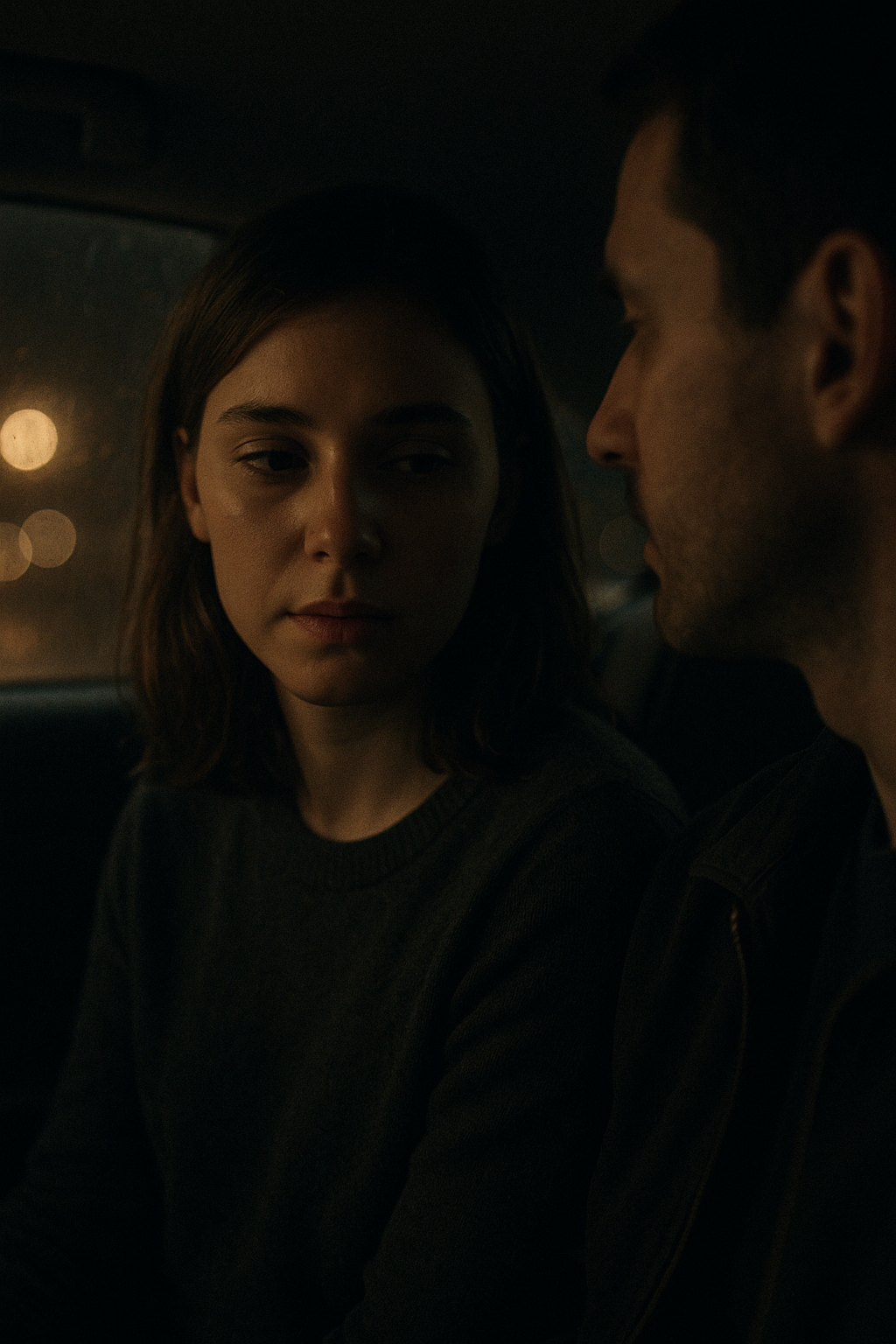
There is something quietly intimate about the space inside a car. It’s a small world on wheels, a place where words find room to breathe between the hum of the engine and the rhythm of the road. Confessions happen here with a weight and fluidity that feels impossible elsewhere. It’s not just about speaking honestlyit’s about the unique choreography of proximity, motion, and unspoken trust that the car creates.
The Side-by-Side Vulnerability
When we talk face to face, the human gaze is like a spotlightexposing, demanding, sometimes even defensive. But sitting side by side in a car, no one is directly confronting the other. The absence of eye contact softens the intensity and lowers the guard. No sharp stares, no direct challenges. Instead, there’s the quiet presence of another person sharing the same confined space, moving forward both literally and metaphorically.
This subtle shift matters. Vulnerability thrives not only when we’re seen but when we feel safe enough to lower the barriers that usually protect us from shame or judgment. In a car, these barriers erode gently because the positioning itself doesn’t demand performance. We can speak without the pressure of immediate reaction, and empathy can emerge in the natural pauses between phrases.
Compressed Space, Expanded Time
The car is a paradox. It is narrow, restricting physical movement, yet it stretches the emotional landscape between two people. The tight quarters draw us closernot just in proximity but by necessity of sharing. There’s no room to escape or turn away, so the conversation often moves past superficial topics.
Routine plays a crucial role here. The familiar acts of driving, watching traffic, and shifting gears set the backgrounda steady rhythm that feels both grounding and forgiving. It’s easy to forget the clock when you’re enveloped in this space that hums steadily beneath your words. Time seems suspended just enough for a confession to surface without being rushed or dissected.
Confessions as Quiet Acts of Exposure
A confession is more than words; it is an act of exposure. But in a car, it’s exposure wrapped in the ordinarythe mundane setting makes the extraordinary feel possible. There is no stage, no spotlight, just two people moving through a shared moment.
This small stage allows for emotional truths that might feel too fragile or risky elsewhere. There is no pressure to solve or respond immediately. The focus shifts from the content of the confession to the experience of offering it. To share something vulnerable in this way is to invite a subtle surrender, a release that doesn’t demand resolution but instead simply asks to be heard.
Distance Demands Performance, Closeness Invites Surrender
In wider spaces, distance creates an unspoken script. We perform who we are, choosing our words and expressions with care. We keep secrets tucked neatly away behind polite smiles or casual conversation. The room between people allows for separation, for emotional masks.
But closeness dissolves those performances. The confined space inside the car compresses not only the room but also the emotional distance. There is no function in hiding when the physical boundaries are so inescapable. Here, the illusion of control slips, and we begin to surrender not to danger, but to the shared humanity of the moment.
It’s a surrender that quiet, ambitious people understand instinctively. You don’t have to shout your truth or stage a grand reveal. You just allow it to come, natural and unhurried, as the car carries you both forward.
The Motion of Movement Meets Emotional Flow
Movement adds another layer to this phenomenon. The steady progression of the car mirrors the unfolding of a confession. There’s a sense that words, like the road beneath you, are carrying something forward beyond the present moment.
This forward momentum contrasts with the stillness of a traditional conversation. It suggests progression, growth, change. Even when the topic is difficult, the moving car offers a tacit promise: whatever is shared, you’re both traveling together, not stuck in one place.
The passage of scenery outside the windowa blur of trees, streetlights, or housescan heighten the feeling of vulnerability. The world turns in slow motion, private moments wrapped in fleeting glimpses of public life. There’s a beauty in this contrast, a fragile mingling of exposure and concealment that lets deep truths take shape without overwhelming either heart.
Shared Moments Too Fleeting to Guard
People don’t seek safety in a car so much as a shared moment that is too brief to be guarded fiercely. The brevity, the impermanence of the ride, softens the edges of fear. When something doesn’t demand permanence, it becomes easier to reveal.
The car becomes a liminal spacea threshold between solitude and exposure. It is neither the sanctuary of one’s own walls nor the public arena of a café or living room. It is a moment between moments, an emotional pause where things can spill quietly and truths can surface without full commitment.
For the quietly ambitious who carry a steady stream of inner agendas and guarded aspirations, this kind of vulnerability is precious. It’s a chance to step away from the relentless pace of achievement and meet oneselfimperfect, fragile, and realin the company of another.
Closing Reflection
Confessions in a car are more than just words spoken in transit. They are small acts of courage nested in the unremarkable routine of a ride. They invite us into a unique psychological space where the rules of distance and closeness, motion and stillness, gaze and turn dissolve into something softer and more profound.
The beauty lies in the quiet surrendera fleeting moment of shared humanity that neither demands nor promises anything, but simply exists between seats, steering, and whispered truths. In the end, the car is less a vehicle and more a vessel for the human heart’s unscripted conversations.
This article is intended for reflection and entertainment purposes only.