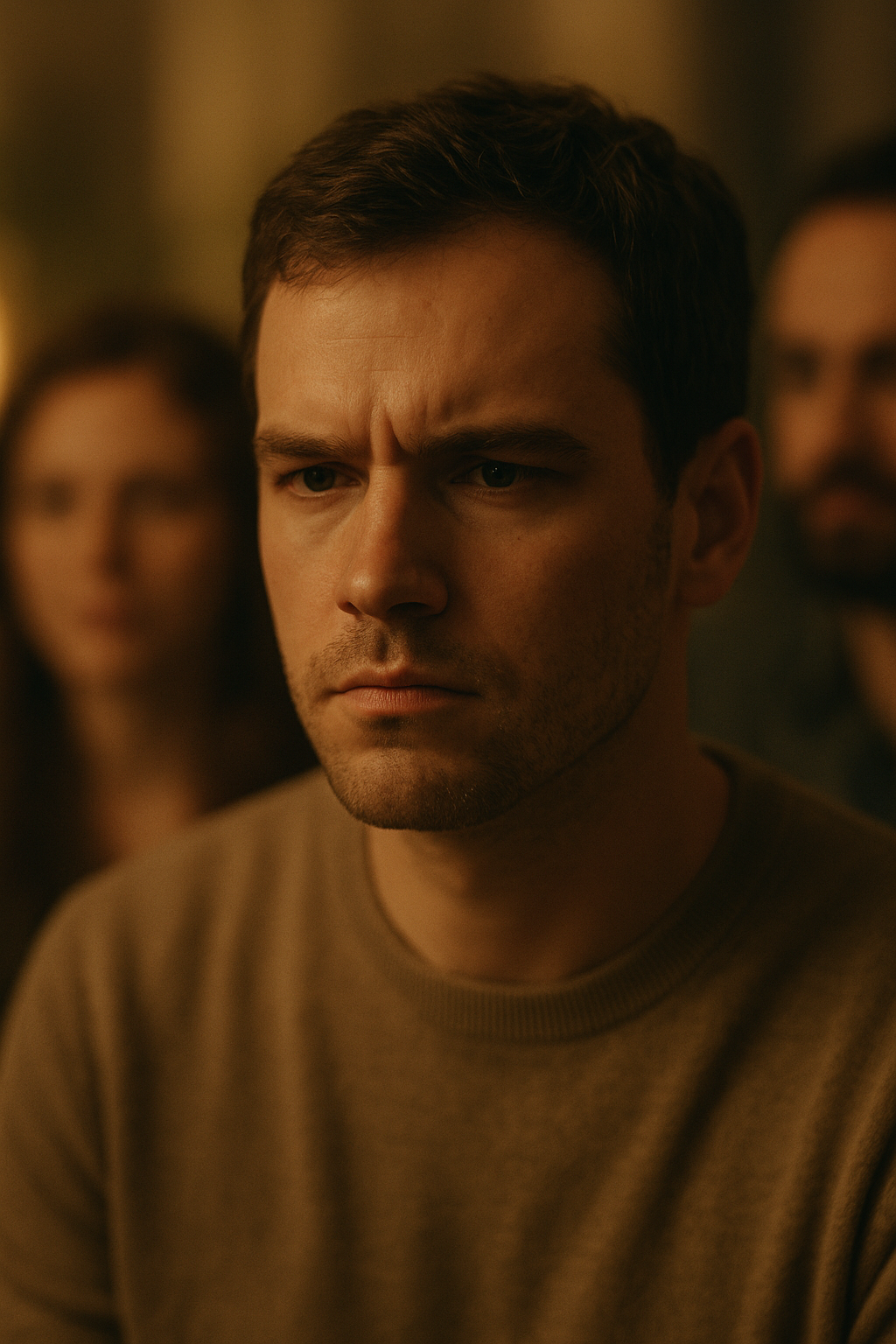
There’s a moment we all know too wellthat instant when someone interrupts your story, not to clarify details but to nudge the spotlight their way. “Actually, what happened was like this,” they say, but it’s not really about facts. It’s about who gets to be remembered better. Stories don’t just float between us. They anchor themselves in memory, and we quietly compete to claim them.
The Unseen Contest Behind Everyday Conversation
When we share stories, something deeper stirs beneath the surface. These exchanges aren’t just about recounting events. They are subtle battles for presence and significance. Our brains, wired to seek connection and validation, instinctively look for ways to ensure our version of the story stands firm in the minds of others.
It’s not simply about truth. Truth is often slippery, shifted and refracted by perception, emotion, and context. Instead, the tension is over who shapes the narrative’s final shape in collective memory. We twist details, highlight moments, or reframe outcomesnot to deceive, but to secure a place in the social fabric.
What feels like petty one-upmanship is often an unconscious strategy. Securing “the best story” signals social currency. It lets others see us as compelling, interesting, worth listening to. In many ways, this contest is about identity more than events. The story becomes a vessel carrying who we want to be seen as.
Why Memories Are the Real Prize
Memory is not an impartial archive stored somewhere distant in the brain. It’s fluid, intimately tied to relationships and context. When we tell a story and watch it be retold, we are watching a living thingone that changes shape and significance with every telling.
When someone jumps in to correct or “improve” our story, what they are really doing is staking a claim on how they want to be remembered in that moment. Their version reorients the emotional weight, who holds the spotlight, and what part of themselves gets preserved.
This subtle struggle taps into elemental human needs: to be seen, to belong, to matter. It reveals how fragile social bonds can be when wrapped up in language and memory. Each correction can feel like a tiny erasure, as if the original storyteller risks becoming invisible or less vivid.
Yet, this contest is rarely marked by overt conflict. It is delicate, often silent, marked by small shiftsa phrase changed here, a feeling emphasized there. The winner doesn’t shout. They simply leave a stronger imprint on the listener’s mind.
How Stories Become Claims on the Night
There is a cinematic quality to these momentsalmost like shadows shifting under dim streetlights or flickering conversations in a crowded room. We share stories to craft a shared world, but also, to etch ourselves into it.
Stories aren’t merely passed around. They are claimed. When someone takes ownership of a story, they hold a kind of powerthe power to influence memory, to guide interpretation, to be the one who “keeps the night.” It’s the last voice that lingers after laughter settles.
This act of claim is not inherently selfish or malicious. It is profoundly human. It reminds us how much we all crave recognition in the small, everyday exchanges. The battle for memory is a quiet expression of a deeper longing: to be known and remembered meaningfully.
It also invites reflection on what “winning” a story truly means. Does the loudest voice win? Or is it the one that stirs the deepest connection? Sometimes, the stories that linger longest are those told with vulnerability, not competition. Yet, even these require courage to claim.
Holding Space for Our Shared Humanity
Recognizing this struggle beneath our stories invites a gentle compassionfor ourselves and others. When someone corrects or challenges our story, it can hurt because it feels like a threat to our sense of self. But it also reveals their own hunger to be seen, to matter.
There is freedom in noticing that these battles are neither rare nor exceptional; they are woven into the fabric of social life. They remind us how much we all depend on being witnessed and how fragile the threads of memory can be.
In this light, stories become not just about winning or losing. They become invitationscalls to listen more deeply, to hold space for multiple versions, to honor the complex, overlapping ways we all seek connection.
When we approach our stories with that awareness, the contest softens. We begin to understand that behind every claim is a human being reaching out in search of belonging. And in that understanding, perhaps there is a way to share the night without needing to keep it all for ourselves.
This article is intended for reflection and entertainment purposes only.