Step into a room and you might think you’re stepping into just a physical space. But really, you’re entering an unspoken dialogue where walls, light, colors, and objects gently nudge the person you carry inside. The quiet choreography of a room shapes more than comfort or styleit adjusts the subtle ways you move, think, and feel. By the time you leave, something about you has already shifted.
The Invisible Architecture of Mood
Rooms speak, but not in words. They communicate through color’s hue and intensity, influencing your mood before you even register it. Soft blues might cradle you with calm, while harsh reds can crackle with urgency or agitation. These colors seep beneath awareness, coloring your feelings as much as the air you breathe.
Light too plays its silent role, sliding across surfaces to sharpen some moments and soften others. Bright, cold light can put your mind on edge, heightening alertness or stirring restlessness. Warm, dim light invites your body to slow, muscles to relax, and thoughts to wander. This ebb and flow of feeling is the room’s pulse, setting a backdrop for your internal state.
How Furniture Moves Your Being
Consider the way a chair beckons you to sit, a narrow hallway compels you forward, or a cluttered desk creates invitation or resistance. Our bodies respond unconsciously to these cues. They encourage patternssitting a certain way, turning your head to avoid a corner, reaching with one hand instead of both.
Over time, these movements embed themselves like habits. The room doesn’t just hold you; it shapes how you move through space and time. It demands that you conform to its contours, and in that shaping, it subtly sculpts your presence and posture.
The Small Details That Carve Identity
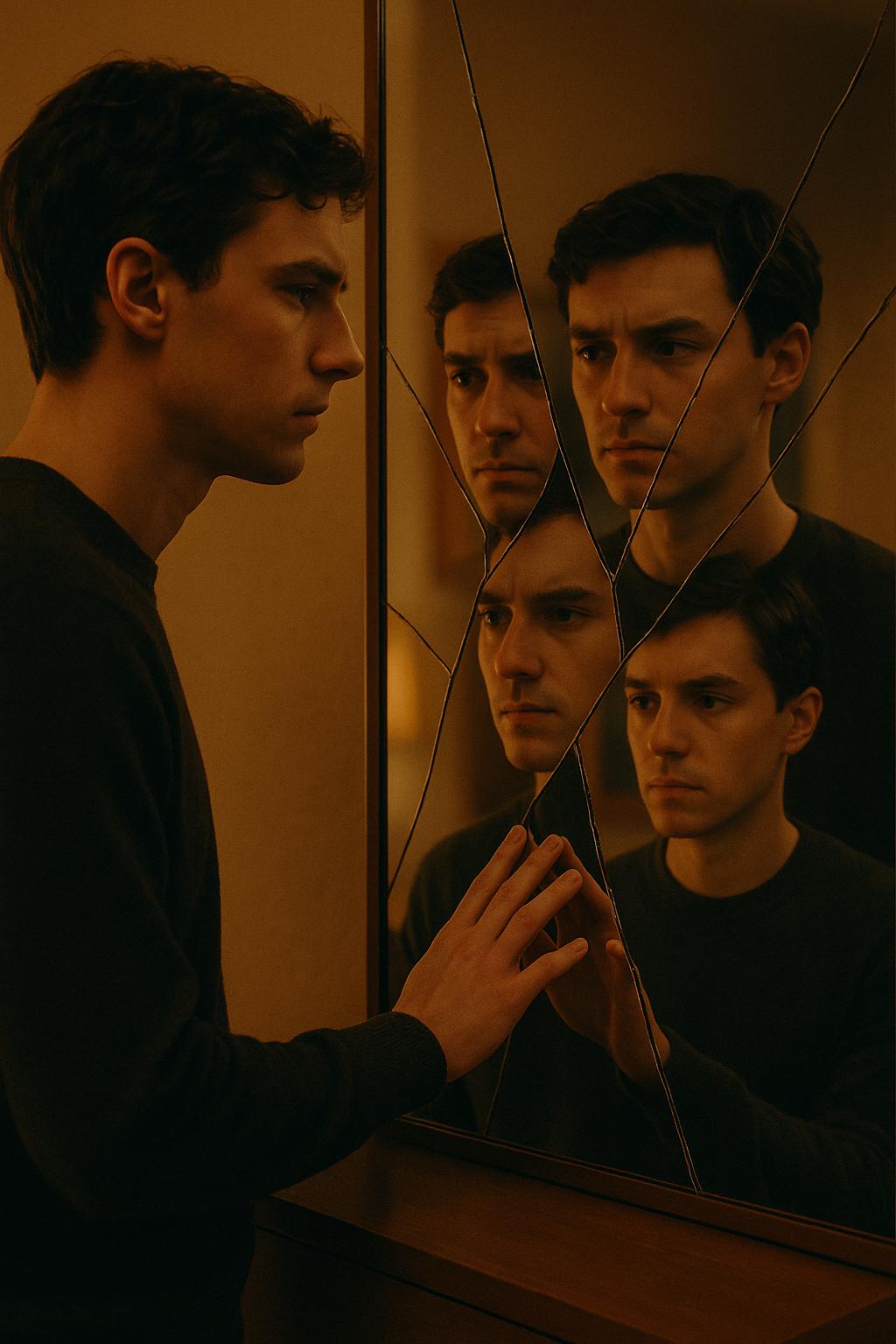
Beyond paint and furniture, the room’s fine details craft how you respond and reflect. A cracked window might invite the unpredictability of wind and sound, enhancing a sense of freedomor stirring unease. The scent of old books or fresh pine can anchor memory or kindle nostalgia. Even the placement of a mirror can coax you into self-awareness or distraction.
These shifts may feel small but ripple quietly through your psyche. They sometimes chip away at parts of who you believed yourself to be, gently replacing them with fragments shaped by your surroundings.
Leaving With More Than Your Belongings
When you pack up and leave, you expect to carry your things. But you carry more. A piece of the room’s idea of you lingersan echoed way of moving, a tinted mood, a subtle change in posture or perception.
What you leave with is part memory, part imprint from the sensory dialogue you lived inside that space. It’s a reminder that human identity is not fixed in isolation. We are porous beings, molded continuously by the worlds we create and inhabit around us.
Reflections on the Spaces Within
Our rooms hold more than possessionsthey hold parts of ourselves, transformed incrementally by the interaction of biology and environment. Our nervous systems pick up cues: the gentle pressure of a chair, the temperature of light, the softness of textures. These physical sensations weave into our emotional fabric.
This dynamic interplay offers a quiet form of conversation between who we are and where we are. It reveals that identity is always in motion, shaped by the unseen forces of place as much as by intention or memory. Being human means carrying these silent imprints, living at once within and beyond the spaces that surround us.
Our rooms shape us because we carry their essence too. We are never quite the same after dwelling inside them.
This article is intended for educational, reflection, and entertainment purposes only and is not medical advice.