There is a subtle language spoken in everyday momentsan undercurrent of feeling and intention hidden beneath polite words. When someone tweaks your phrasing or sharpens a casual correction, it rarely lands as just an impartial fix. It’s a delicate claim of territory, a silent whisper of tension. These small adjustments carry an invisible weight, revealing the unspoken emotional landscape between people.
The Invisible Tug on Social Space
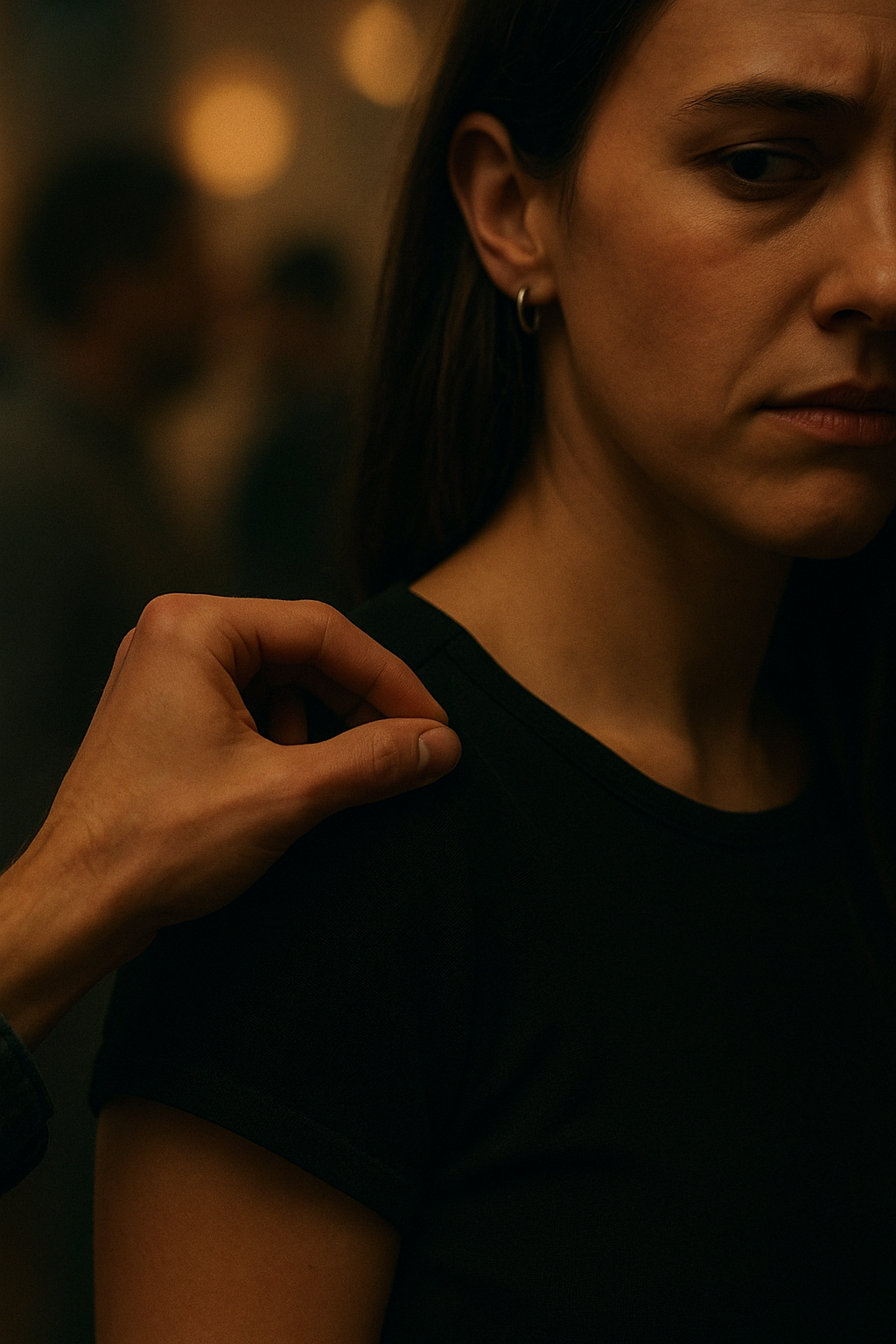
Imagine a conversation where words float easily, comfortable and light. Then someone interjects, “Good catch,” but their correction slips sharper than needed. It doesn’t land as a generous nod to your accuracy, but as a tiny shove to rearrange the ground beneath. Such moments are invisible choreographyan attempt to carve out space where none was openly offered.
This act is more than a desire to be right. It’s a quiet struggle for recognition, a way to stand out when the spotlight feels just out of reach. Small corrections become claims, silent markers placed to stake a presence. Within the carefully trimmed sentence lies emotionoften envy, sometimes insecurity.
Envy is not a loud emotion. It doesn’t roar. It hums low and soft, trying not to break the fragile balance of social interactions. It finds expression in these minimal shifts, in the editing of what seems like simple language. When the correction sharpens unexpectedly, it signals an achea subtle reveal of unmet desire or a wish to displace.
The Biology of Perceived Threats
At a glance, this dynamic may seem purely social, but it taps into deeper, almost primal parts of human biology. Our brains are finely tuned to detect social hierarchies and status signaling. Small moments of correction can trigger a mild stress response, a reflex tied to survival instincts.
Our ancestors lived in tightly knit groups where cooperation was necessary, but standing outespecially in imperfect wayscould be dangerous. Even today, the urge to subtly outmaneuver others remains embedded. This might explain why a tiny verbal jab can feel suddenly sharp, activating a cascade of neurotransmitters linked to alertness and social vigilance. It’s a quiet warning signal: someone is jockeying for position.
These brain responses are rarely conscious, yet they influence how we perceive and respond to the “small wounds disguised as help.” Underneath the surface, a swirl of feelingsfrustration, envy, the desire to belongtangle with our neural wiring.
The Emotional Texture of Correction
When we experience these micro-moments, they often pass unnoticed or dismissed as minor irritations. But for those who dwell just on the edge of social groupsthe outsider psychologythe effect is more profound. Each slight correction becomes a reminder of unspoken competition and fractured connection.
The emotional texture here is textured and complex. It’s not just about ego or pride. It’s about a quiet longing for validation and space to be seen authentically. When someone interrupts, sharpens, or narrows your words, it can feel like a subtle erasure of your voice.
There is also a paradox in this dynamic. The sharper the correction, the more the corrector reveals their own inner ache. The need to fix another’s words with excessive precision exposes quietly bruised self-worth. Envy creeps in not because the other person deserves to be cut down, but because of the corrector’s own yearning to matter in a crowded room. Recognizing this does not excuse hurtful behavior but invites empathy for what lies beneath.
Movement and Recovery in Social Dynamics
Just as the body recovers from physical strain through movement, so do social wounds need space and time to heal. Emotional injuries caused by constant “small wounds” require us to find rhythm and flow in interactionsto move beyond corrections toward genuine connection.
Recovery here is not about confrontation or one-upmanship. It can come through deeper listening, a willingness to hold silence without interruption, and curiosity about what goes unsaid. When we resist the impulse to sharpen another’s words, we create room for trust.
Interestingly, this capacity may decline or fluctuate with time and life experience. As we age, social positioning can feel more fragile; the quiet tugs on the spotlight might grow sharper or more urgent. Recognizing the weariness beneath these moments can soften reactions and foster patience, especially in spaces where hierarchy feels like a constant contest.
Seeing the Small Wounds
The subtle corrections that slip from polite conversations are not just social noise or trivial quibbles over grammar. They are signals with layersa mix of envy, tension, survival instinct, and the human need for recognition.
They remind us that beneath everyday exchanges, humans are negotiating identity. Each “good catch” carries with it a story. What appears as a helpful fix masks the quiet ache to be fully seen and valued.
The next time you hear a correction sharpened in kindness, pause and look beneath the words. What might be broken? What might be waiting for quiet understanding? In those moments, empathy becomes a bridge across invisible lines, and the small wounds can begin to heal.
Our shared humanity lives in these fragile, cinematic details. It is herein fleeting corrections and gentle silencesthat the true texture of connection is felt.
This article is intended for educational, reflection, and entertainment purposes only and is not medical advice.