There is a quiet tragedy playing out every time we gather with others. Somewhere beneath the laughter, the agreements, the shared stories and jokes, the essence of who you are begins to blur. Group settings ask for a performance, and in stepping onto that stage, your true self becomes hard to find.
The Shared Mask That Binds
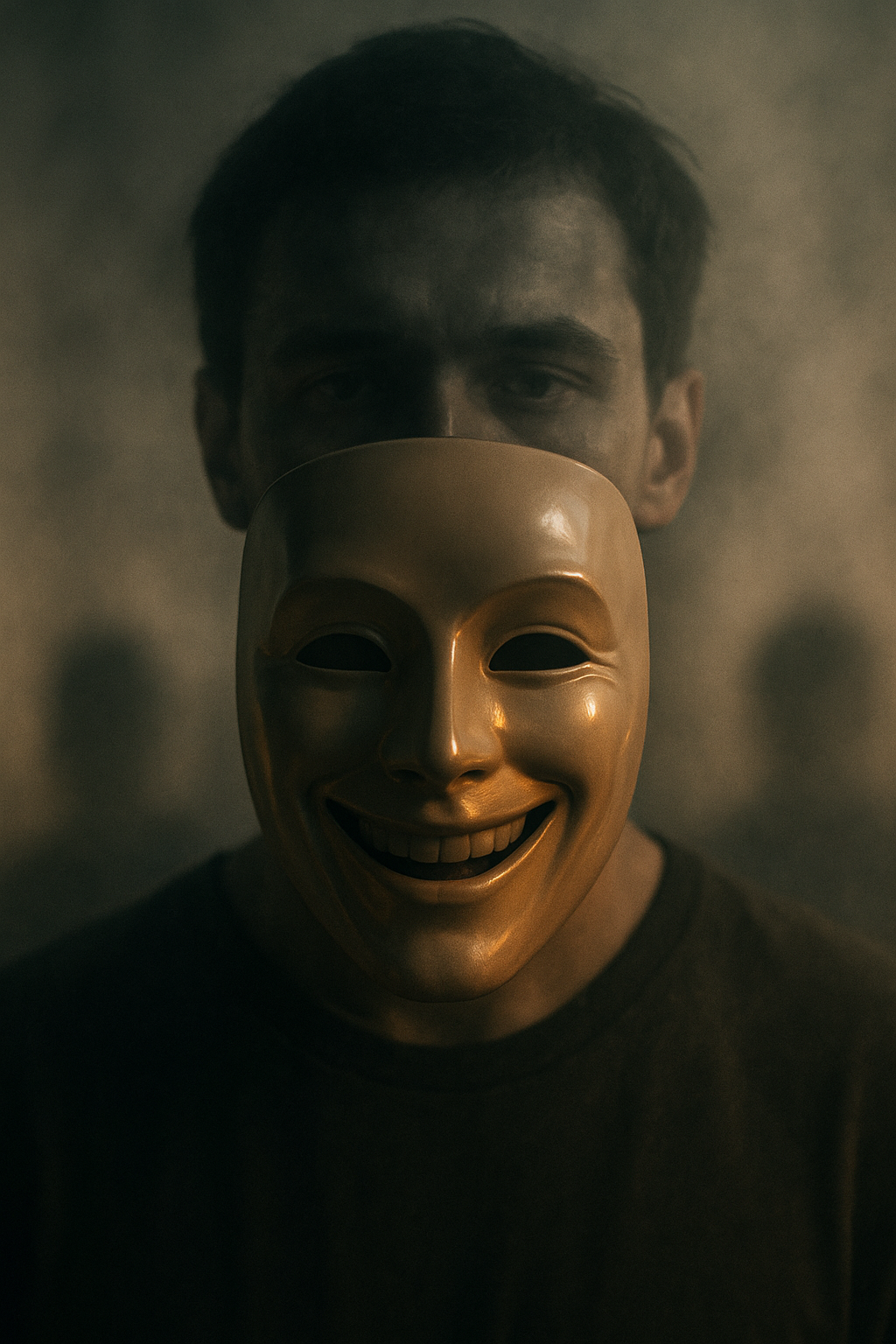
Groups rarely form from the raw material of our private selves. Instead, they are held together by a mask everyone wearssometimes consciously, often not. This mask isn’t owned by any one person. It exists somewhere between your own desires and the unspoken expectations of everyone else present. It’s a shared understanding, a script written slowly over time through countless interactions and compromises.
This shared identity offers safety but carries a silent cost. The brain reads our social environment like a survival map, constantly scanning for signs of acceptance or rejection. When we enter a group, our nervous system senses whether this mask is the currency for belonging. Signals of safety prompt us to relax and engage, but if we stray too far from the role the group prefers, threat responses flicker onunease, anxiety, withdrawal.
The mask, then, becomes a kind of social oxygen. We adapt our expressions, gestures, even the rhythm of our speech, tuning ourselves to the group’s frequency. What is surprising is not that this happens, but how little notice it often gets. We don’t always recognize the performance because it is woven into the fabric of connection itself.
The Performance Your Brain Rehearses
The brain rewards social harmony. The neurotransmitters that light up in moments of group acceptance reinforce the mask’s power. Over time, parts of your personality that do not fit the group’s pattern can shrink into shadow, out of sight and out of mind. The “real you” that exists in solitudethe full range of quirks, vulnerabilities, and contradictionsmay feel foreign or risky in comparison.
In groups, you rehearse roles you might never choose for yourself alone. Maybe you become the peacemaker, always smoothing over rough edges. Maybe you play the joker, deflecting tension with humor. Sometimes, roles slip more subtly, a nod here or a minimized opinion there, until your authentic voice is muffled beneath the chorus.
This isn’t deception. It’s human. We are wired to connect. Yet the paradox remains: the more you wear the group’s mask, the dimmer your individual light inside the collective glow.
Shadows in the Group Light
Imagine standing in a dimly lit room where everyone’s face is outlined by the same harsh spotlight. The edges of your identity become less distinct. The real contours blur into silhouettes that resemble each other more than they reflect unique shapes.
This fragile flickering can leave you doubting which version others want to seenot the person you know in private, but the one invented for public consumption. The gap between your private self and the public role can deepen feelings of isolation, even while surrounded by company.
Your physiology reflects this tension. Stress hormones might rise as your brain calculates whether your performance is accepted. Your posture shifts. Muscles tighten. The subtle cues that root you in your authentic self grow quieter.
The Rhythm of Return
There are moments when you leave the group setting and rediscover your own thoughts, gestures, and feelings. These alone moments are vital for recalibrating your internal compass. They provide space to feel the texture of your true self, uncompressed by social air.
Recovery from masking takes time. It asks for gentle attention to the small ways you move, breathe, and react. Sometimes, it’s a walk at dawn or a quiet hour of reflection that restores a sense of balance. Other times, it’s the presence of someone who sees younot the mask, but the person beneathand holds that vision steady.
Our need for connection will always challenge the boundaries of selfhood. But remembering who you are beyond the shared mask helps anchor you when the group spotlight dims.
Closing Reflection
The fading of your true self in groups is not a sign of weakness. It’s a testament to the complex dance between belonging and individuality. To live fully in community, we learn to wear masks, to perform with empathy, and to negotiate harmony. Yet, the mask is only an invitation, not a final frame.
Your true self flickers in the half-light, fragile but persistent. It whispers in solitary moments, waits patiently in stillness, and sometimes, even in a crowd, finds a way to shine through. The challengeand the graceis in how you balance the mask and the authentic, the role and the reality, the many faces we show and the one quietly waiting beneath.
This is the human story: a rhythm between performance and presence, between fading and emerging, ever unfolding in the spaces where connection and identity meet.
This article is intended for educational, reflection, and entertainment purposes only and is not medical advice.