
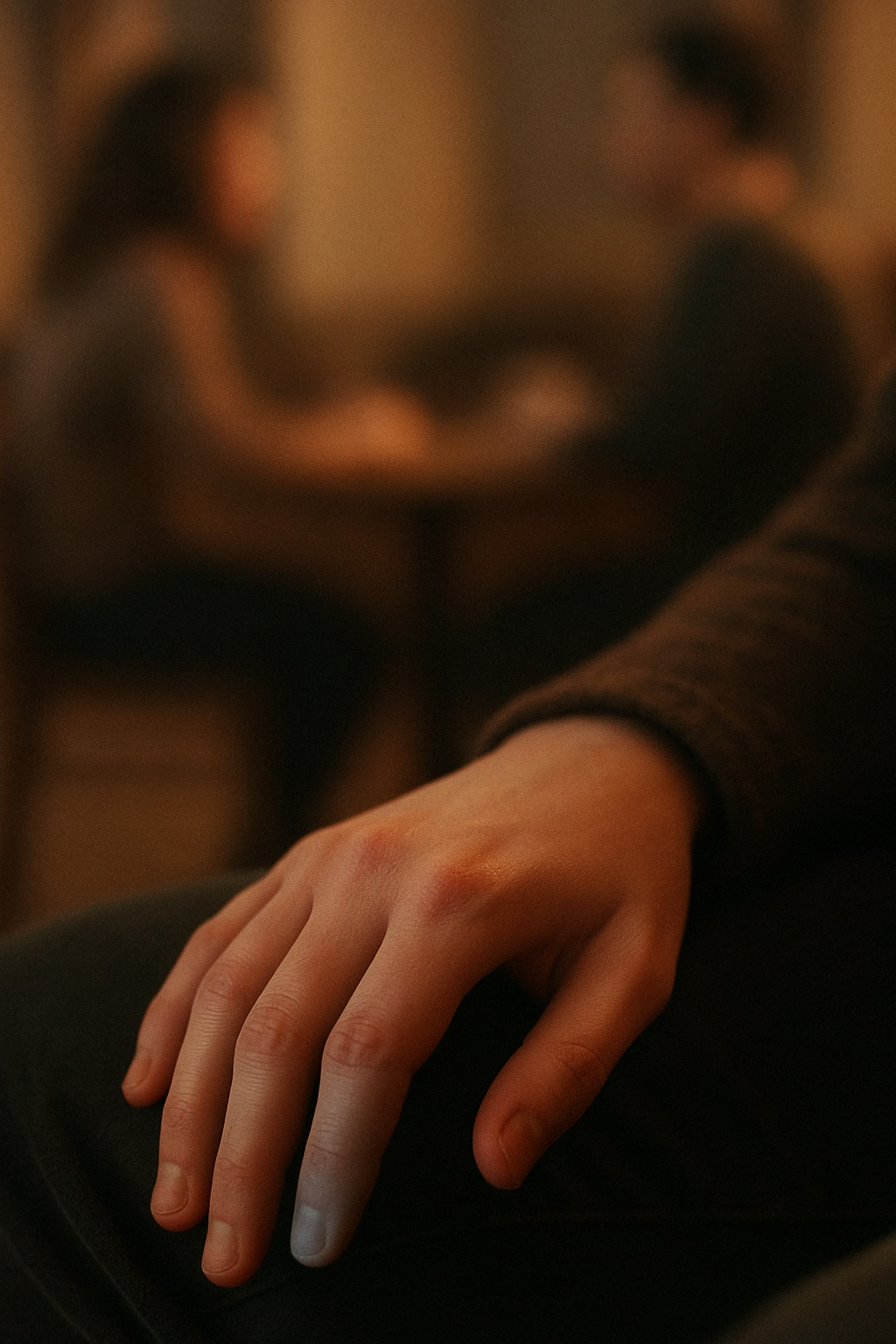
When you’ve ever felt left outthe quiet sidestepping, the invisible pause before inclusionthe experience can feel like a chill. That chill isn’t just metaphorical. Your body actually cools in response to social exclusion. This subtle dip in your peripheral skin temperature reflects an ancient biological dialogue that connects social rejection with physical coldness, nudging you to seek reconnection.
The Body’s Silent Signal
Feeling unwelcome or excluded often triggers a subconscious recalibration of your body’s blood flow. Peripheral skinyour fingers, toes, faceexperiences a slight drop in temperature. The vessels constrict, pulling warmth inward, leaving your skin cooler to the touch. You might not consciously notice this internal shift, but it unfolds quietly beneath your awareness.
This response isn’t a modern quirk of social anxiety or loneliness; it’s an echo from a time when social isolation meant much more than a bruised ego. Our physiology carries the legacy of survival strategies embedded deep in human history.
The Evolutionary Roots of Social Coldness
Before modern society’s safety netsbefore heaters, clothes, or even reliable shelterhuman beings depended heavily on the warmth of group living. Being excluded from the tribe meant facing brutal exposure. Cold wasn’t just uncomfortable; it was deadly.
A lower peripheral temperature when rejected can be seen as an embodied reminder of this threat: social exclusion is, in evolutionary terms, linked with the physical danger of freezing. The chill on your skin is a biological shorthand, echoing the primal risk of standing outside the protective circle.
This isn’t about conscious thought. Your body doesn’t rationalize social relationships; it responds to cues from your perceived social world and interprets exclusion as a vulnerability that needs urgent fix.
The Biology of Connection and Warmth
Blood flow isn’t just about distributing nutrients and oxygen; it’s also about regulating temperature. Peripheral vasoconstrictionthe narrowing of blood vessels near the skin’s surfacereduces heat loss during exposure to cold.
When social exclusion triggers this constriction, it’s as if your body temporarily interprets the social chill as a physical one. In contrast, positive social interaction tends to allow blood vessels to relax, promoting warmth and a flush in the skin.
This link between social and physical warmth is part of a broader biological system that connects our internal states to our social environments. The sensation of warmth can reduce feelings of loneliness or threat, which is why holding a warm cup or rubbing your hands together often feels soothing when you’re feeling isolated.
Status, Perception, and the Physiology of Being Outcast
Where you stand in social hierarchies can shape your physiology in subtle ways. Being left out isn’t just about absence; it’s about perceived status. The body’s temperature drop can reflect an internal status signal, echoing low social standing.
These physiological cues help the brain monitor social belonging unconsciously. The cooling of the skin may signal a need for restorationnot just socially, but physiologically. The unconscious discomfort nudges you toward repairing fractured ties because belonging once meant survivalnot just psychological comfort.
Unlike obvious emotional pain, this biological response is less dramatic but persistent, a quiet insistence that social connections matter on a primal level.
Everyday Consequences of the Social Chill
Most people won’t notice their skin temperature dipping after a brief moment of exclusion. Yet this underlying mechanism can subtly influence mood, motivation, and even decision-making.
That cold feeling can heighten the desire for social warmth, motivating you to reach out, reconnect, or seek inclusion. Conversely, a prolonged experience of exclusion might compound feelings of isolation or stress, tied to this ancient hardwiring.
This interplay between body and social experience suggests that the simple act of warming oneselfwhether physically by grabbing a warm drink or socially by sharing time with otherscan have a tangible effect on how we feel emotionally and physically.
The Body Remembers Before the Mind Does
We often think of social pain as something psychological, but the body’s response reminds us that social experiences are anchored deep in our biology. The cool skin is a marker of that ancient, ongoing dialogue between environment, body, and survival.
This subtly chilling indicator can be unsettling: a reminder that beneath the layers of language and culture, there is an older, biological narrative tracking our place in the social world.
In a strange way, your skin betrays what your mind might try to hidethe very real threat implied by exclusion and the living history encoded in your blood vessels.
Closing Reflection
Next time you feel the sting of being left out, remember there’s more going on than internal chatter or fleeting emotion. Your body is responding to an age-old script, one that has long connected social frost with physical cold. That quiet cooling at the edges of your body is a nudge: a reminder that warmthemotional, social, and physicalis essential to human survival in every sense.
In understanding this, we glimpse how deeply entwined our biology is with the human condition: where your skin’s subtle chill becomes a language your body uses to seek the warming embrace of belonging.
This article is intended for educational, reflection, and entertainment purposes only and is not medical, financial, or professional advice.