
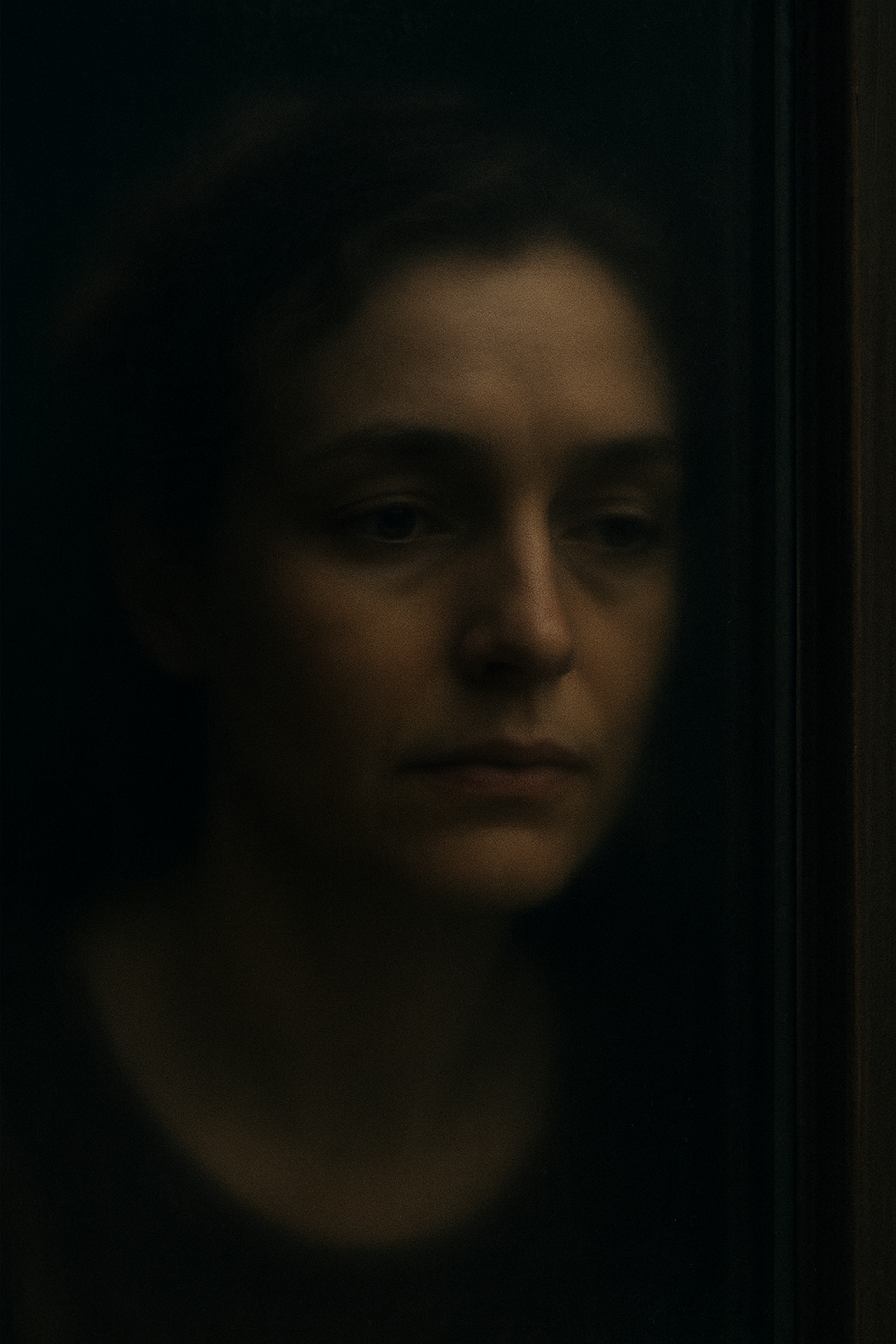
There’s a unique stillness that descends when night arrives. The world hushes in shadows, yet inside, the mind flickers with its own restless light. At this hour, many find themselves drawn to memories long pastnot because they are perfect, but because they are familiar. Nostalgia pulses quietly as a refuge, a fragile shelter from an unpredictable now.
The Currency of Memory in Darkness
It’s late, and the present feels uncertain. The noise of the day has faded, but a different kind of noise emergeswhispers of anxieties, uncertain outcomes, the stretch of hours when the future seems unreadable. In these moments, your mind reaches backward, gathering pieces of earlier times. Not in search of joy alone, but for something steadier: predictability.
Remembering is never neutral. Your brain does not replay the past like a video. Instead, it edits, softens, and reshapes. The sharp edges of difficult moments dull in the shadows, while the familiar beats of routine or simple happiness shine a little clearer. Night invites this editing, because the present feels too volatile to handle in full color.
The mind’s rewriting isn’t about creating a lie. It’s about survival. It acknowledges the chaos outside the window and crafts a narrative where the threat is smaller, the unknown less vast. Nostalgia becomes a quiet sheltera space where the unexpected world is filtered, where what was known feels like a small island in the darkness.
Why Predictability Feels Like Safety
It isn’t comfort we seek so much as certainty. The past, even in its imperfections, offers a script with fewer surprises. When you revisit familiar memories, the brain benefits from the sense that you know the storyline. You recognize the contours, the beats, the outcomes. That recognition helps dampen the alarm bells that night often rings.
Our nervous system craves this kind of predictability. At night, when the senses receive less input, the brain’s vigilance intensifies. Something as simple as a creak or a shadow invites suspicion. Nostalgia quiets that vigilance just enough. It’s not about escaping reality; it’s about creating a buffer from the sharp edges of it.
This is why moments steeped in nostalgia can feel deceptively safe. They are not a fairy tale. They carry the weight of things once lived but now reframed, turned into something manageable. This safety is a cognitive act, a rewriting of reality stitched from threads of memory.
The Dual Nature of Nostalgic Survival
Nostalgia at night doesn’t promise innocence or purity. There is something quietly fierce in this survival mechanism. It asks you to carry pieces of the past even when they are incomplete or painful. It demands a willingness to shield yourself with familiarity, even if it means ignoring the full complexity of what was.
This shelter can shape your present selfsometimes softly, other times with a deeper, nearly invisible cost. The memories you clutch may obscure certain truths, ask you to overlook what else needs facing. Nostalgia is survival, and survival is never innocent. It’s a careful balance of protection and avoidance.
Yet, within this balance lies something deeply human. The way we retreat to certain memories at night reveals our ongoing dialogue with ourselves, a negotiation between what we can tolerate and what we must endure. It reminds us that safety isn’t only found in the external world. It’s forged inside, right where memory and feeling meet.
The Subtle Art of Noticing Shifts in Yourself
Perhaps those who notice the subtle shifts in their feelings at night understand this better than most. They sense how the past feels different when the world is dark. How memories once distant grow softer or sharper, how the mind reshapes them to hold onto something steady.
This noticing itself holds power. It means you can watch your inner world with gentle curiosity, without rushing to fix or judge. You recognize nostalgia’s role not simply as sentimental comfort but as an active processa quiet survival strategy unfolding with the fading light.
Acknowledging this process can open the door to deeper understanding. It invites reflection on what memories you turn to, why you turn to them, and what that says about your needs in the present moment. It encourages you to hold space for the complexity of feeling safe and vulnerable at once.
A Quiet Shelter, Not a Permanent Home
Night will pass, and the present will return with its demands and uncertainties. Nostalgia’s shelter is not meant to be a permanent home, but a temporary refuge when the world feels less stable. It invites you to rest in familiarity long enough to gather strength for what comes next.
In surrendering to these memories at night, you are not escaping reality. You are, in your own human way, navigating the edges of survival. You are shaping a story that lets you face another day.
And sometimes, that is enough.
This article is intended for reflection and entertainment purposes only.