
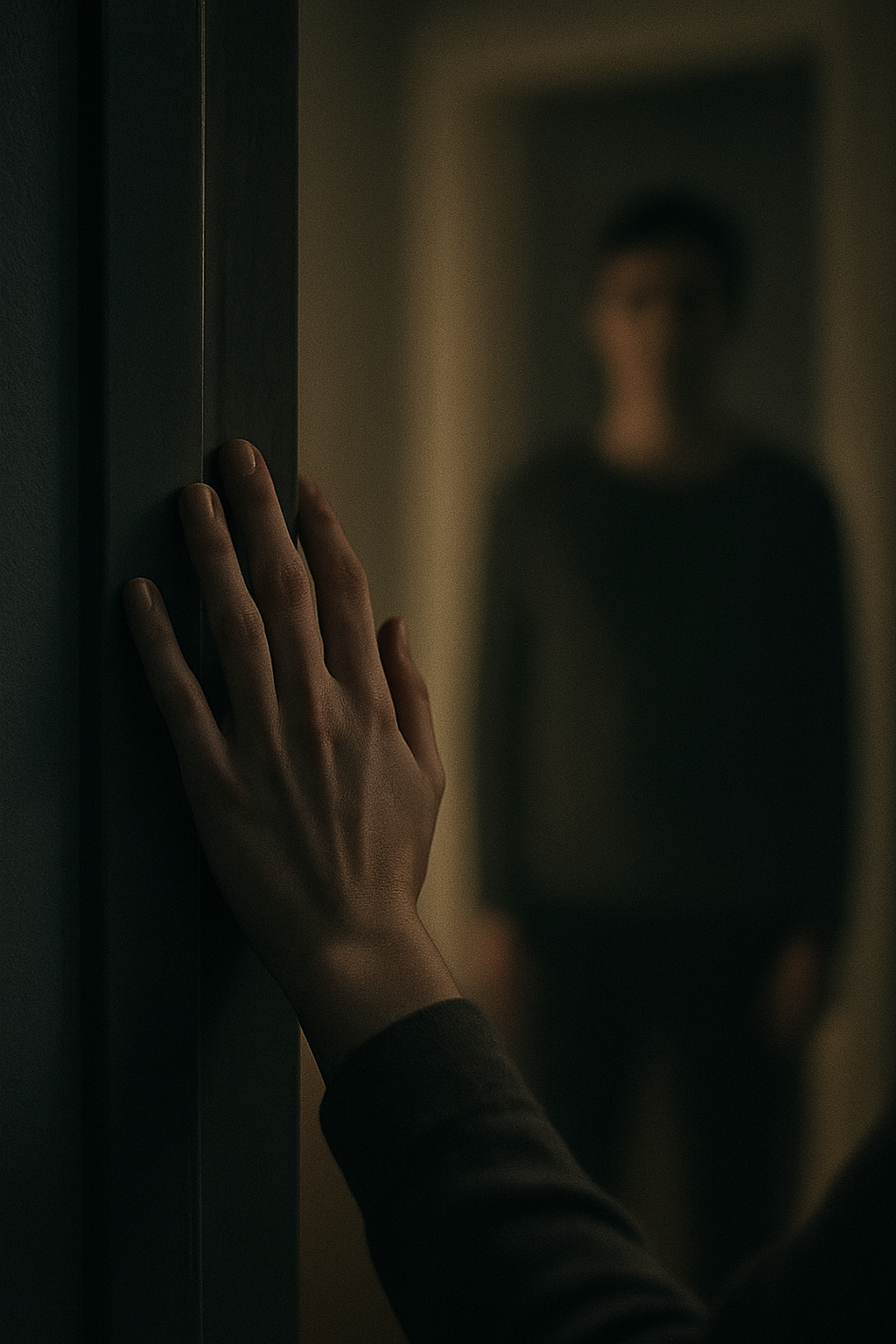
Sometimes the loudest cries for help are the ones spoken in silence. Care can be folded into the everyday gestures we barely noticea door left open a bit too long, a sentence trailing off just before the truth. We wait for someone to ask if we’re okay, but when it doesn’t come, we might miss the quiet calls for connection we’ve been hoping for all along.
The Invisible Language of Care
There is something profoundly human about struggling to say what we most need. Asking for care can feel vulnerable in a way that words struggle to contain. Sometimes, people don’t voice their need for support outright because the simple act of asking can feel like admitting fragility. Instead, they speak in half-finished invitations, in moments of hesitation, in actions disguised as accidents.
When someone lingers too long outside your door, pauses in conversation, or drops small hints like breadcrumbs, they are hoping you will see beyond the surface. This kind of care isn’t packaged with clear labels or neatly tied bows. It’s raw and precarious, trusting that the other person will lean in before the silence grows too loud.
Waiting for the Question That Doesn’t Arrive
In our relationships, we often find ourselves waiting. Waiting for words to break the stillness, for someone to ask the question that could open the door we’ve barely cracked ourselves. But when it doesn’t come, the quiet stretches longer, and the weight of unspoken need gets heavier. The absence of the question can feel like indifference, even when care is there in abundance, carefully hidden.
Psychology tells us that this dynamic often stems from deep fears of rejection or burdening others. No one wants to feel like a weight on someone else's shoulders. So instead of asking for care, people hope it will be offered willingly, intuitively, without being demanded. It is an unspoken agreement, a dance of emotional telepathy, but it is also an incredibly fragile one. Not everyone has the radar to catch these silent signals.
Reading Between the Lines of Everyday Moments
The invitations for care we miss are often embedded in ordinary moments. A hand brushing against yours longer than usual, a sigh that carries more than tiredness, a casual “How was your day?” filled with hesitation. These moments are the subtle punctuation marks in human connection, hinting at emotions too complicated or too raw to state outright.
When we learn to pay attention to these nuances, our relationships deepen. We move beyond the need for explicit statements and start to understand the language of presence. This presence does not demand answers or fix problems immediately. It simply watches, listens, and welcomes vulnerability without forcing it out into the open.
The Courage to Notice Without Being Asked
Noticing these quiet asks for care takes courage. It asks us to unlearn the habit of waiting for clear signals or direct requests. It requires empathy tuned finely to the rhythms of another person’s hesitations and pauses. In noticing, we offer a gift that words often cannota safe space that validates unspoken pain and unasked-for needs.
To be invited in without an open door requires a kind of emotional intuition that can feel elusive, especially in moments of our own distraction or discomfort. Yet it is precisely in these moments that presence becomes revolutionary. We show that care is not conditional on complaint, that we are willing to enter the story before the full sentence has been said.
The Quiet Test of Connection
Behind these silent invitations lies a quiet test: will you see me? Will you hear me, even when I don’t speak? This test is less about proving worth and more about seeking recognition. To be seen in our brokenness, our confusion, our hesitant reaches for care is to be affirmed in a fundamental way.
Relationships often ask us to practice this kind of seeingnot as a form of problem-solving, but as an act of human kindness. When we meet silence with attention, we acknowledge the complexity of being human together. We show that sometimes care is not a transaction or a checklist, but an unspoken, ongoing conversation held in the spaces between words.
Closing Reflection
We all carry moments where we hope someone will ask if we're okay. Sometimes care is waiting there quietly, not in a question but in a presence that stays just long enough, in a gesture left incomplete, in the hesitation before a sentence fades away. The challenge is learning to lean into these delicate invitations without needing them spelled out.
Perhaps care is less about speaking loudly and more about listening with our whole beings. It asks us not only to witness but to reach, to hold the space where vulnerability lives without rushing to fill it. And in doing so, we discover a more tender, more intricate way to connect.
This kind of care is not always easy to find, but it is always worth watching for.
This article is intended for reflection and entertainment purposes only.