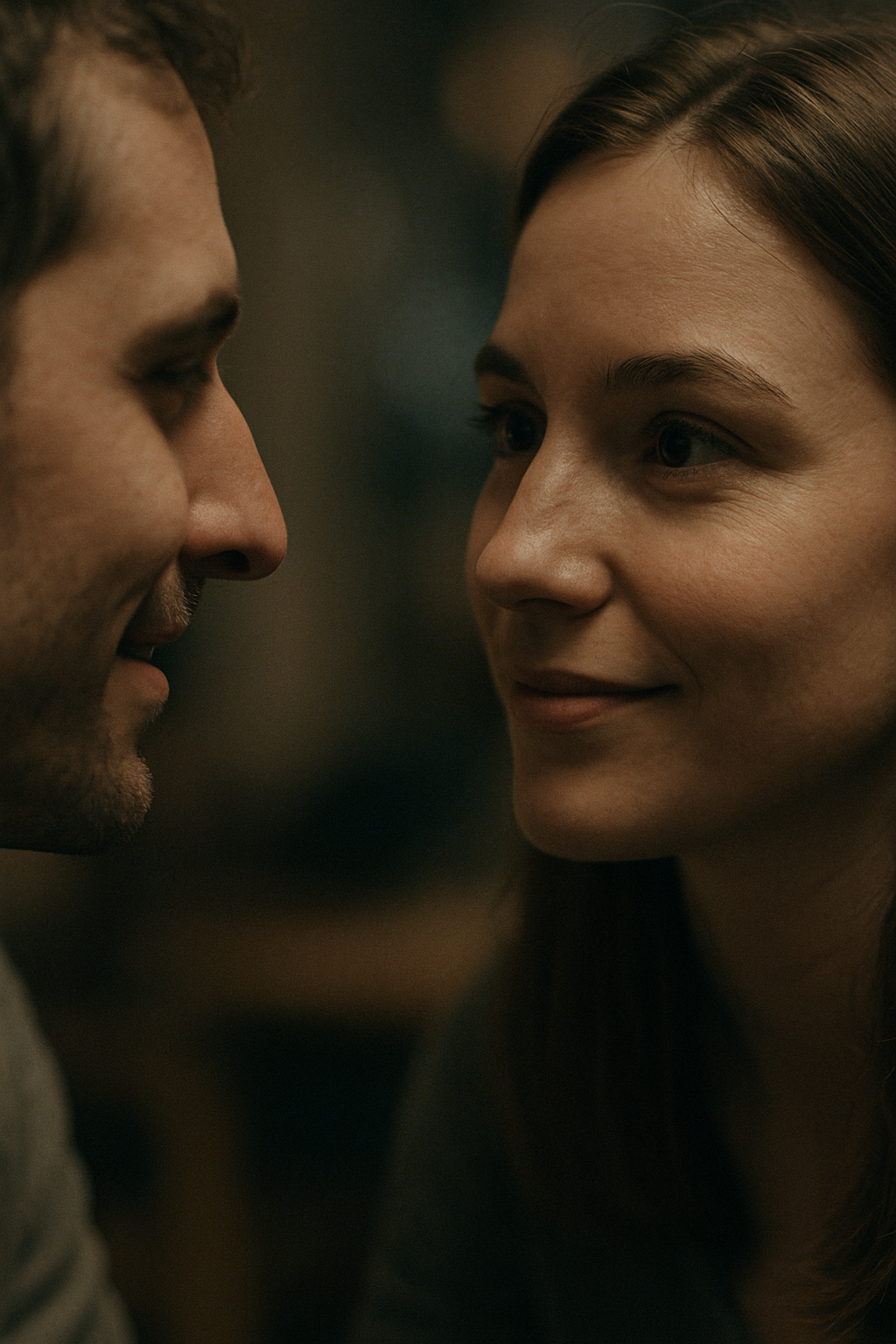
There’s something electric about a joke that lands right on the edge. It snaps sharper than a simple laugh. It’s a glance that scans your resilience, a quiet probe that asks, “How close will you let me get?” Beyond the chuckles, jokes are subtle negotiations of space, trust, and limits.
The Quiet Cartography of Closeness
Humans do not connect in empty air. Relationships are forged through countless small acts that mark trust and vulnerability. Jokes, especially the ones that feel like landmines, are part of this intimate geography. When someone steps into your emotional territory with humor, they are mapping the borders where you allow closeness and where you pull back.
This isn’t about cruelty or cold testing. It’s more like a delicate dancea way to say, "I want to know you better. I want to find the thin line where you hold yourself guarded." The laughter we share after a risky joke is a signal, an unspoken agreement that says, “I saw your edge. I stayed. We are still close.”
Biology Behind the Dare
At a biological level, humor is a complex signal. It activates areas in the brain tied to social cognitionwhere we interpret others’ intentions, emotions, and possible threats. When a joke pushes the boundary, it triggers a mix of surprise and caution, lighting up the parts of us wired to assess safety.
Our nervous system runs this internal test every time. If the joke crosses into uncomfortable terrain without breaking connection, the brain rewards us with a surge of dopaminethe same chemical that fuels learning, pleasure, and bonding. This biochemical handshake reinforces the closeness, making us willing to engage even when the line feels thin.
This delicate balance is deeply wired into our social survival. From early human communities to modern groups, sensing safe boundaries and reading unspoken limits was critical. Jokes, less obviously than direct conversation, offered a way to test those waters without full exposure. They asked if we could be trusted with a glimpse behind the mask.
When Humor Holds Space for Vulnerability
Humans are paradoxical creatures. We crave closeness, yet we guard ourselves fiercely. Sharing a laugh about something fragile or personal is like offering a piece of our inner world wrapped in humor. It feels safer to reveal a scar through a joke than to bare it in seriousness.
This duality shapes how we respond. A well-timed joke becomes a form of emotional gaugingboth for the teller and the listener. When you respond with laughter instead of recoil, you tell the other person they are allowed inside your perimeter. You acknowledge the risk they took reaching for that tender spot and say, “I accept this gift.”
But the border is never fixed. It moves with context, mood, and history. What feels playful today can feel invasive another day. In that flux, jokes act like mirror shards, reflecting how our boundaries shift and how others perceive us in real time.
The Body’s Unseen Responses
Sometimes, the body reacts before the mind can catch up. A sudden joke near your limit might cause a tightness in the chest, a quickening heartbeat, or a fleeting flush. These are fleeting shadows from an ancient warning system still tuned to threats.
Yet, laughterespecially shared laughterinvites a different rhythm. It slows the breath, relaxes muscles, and signals that danger has passed. Our physiology is set up to reward this negotiation. It’s no surprise that after surviving a joke that tiptoes on nerves, we often feel oddly closer to the tellera kinship born in momentary risk.
This dance with our bodies keeps our social connections alive and meaningful. It’s a reminder that every relationship requires both reach and retreat, tension and release.
Learning the Language of Boundaries
Not all jokes are created equal. Sometimes a joke fails, not because it’s cruel, but because it missed the unspoken rules of the relationship. Just like a tightrope walker missteps, a joke can reveal misunderstanding or distance.
The gift in those moments is clarity. It teaches where boundaries lie and how they might be respected or expanded. Every chuckle or awkward silence is part of an ongoing conversation in which humor becomes a language for feeling out what is safe to share and what still feels raw.
Those who are fluent in this language of hidden tests often have a keen sense of social patterns. They can read subtle shifts in tone, weight of words, and even the pauses between laughs. They understand that every joke is a secret handshakean invitation to cross a threshold or step back.
Closing Reflection
Jokes that test boundaries invite us into the fragile architecture of trust. They teach us about the edges of our own comfort and the capacities of those around us to hold pieces of ourselves that might otherwise remain locked away. The laughter that follows is never just laughter. It’s a quiet pact, a dare, a moment of shared survival.
Next time a joke lands like a tiny landmine, listen carefully. It might be less about humor and more about connection, a delicate attempt to hold closeness through vulnerability and risk. And when you choose to laugh, you say yesto presence, to risk, and to the ever-shifting map of human connection.
This article is intended for educational, reflection, and entertainment purposes only and is not medical advice.