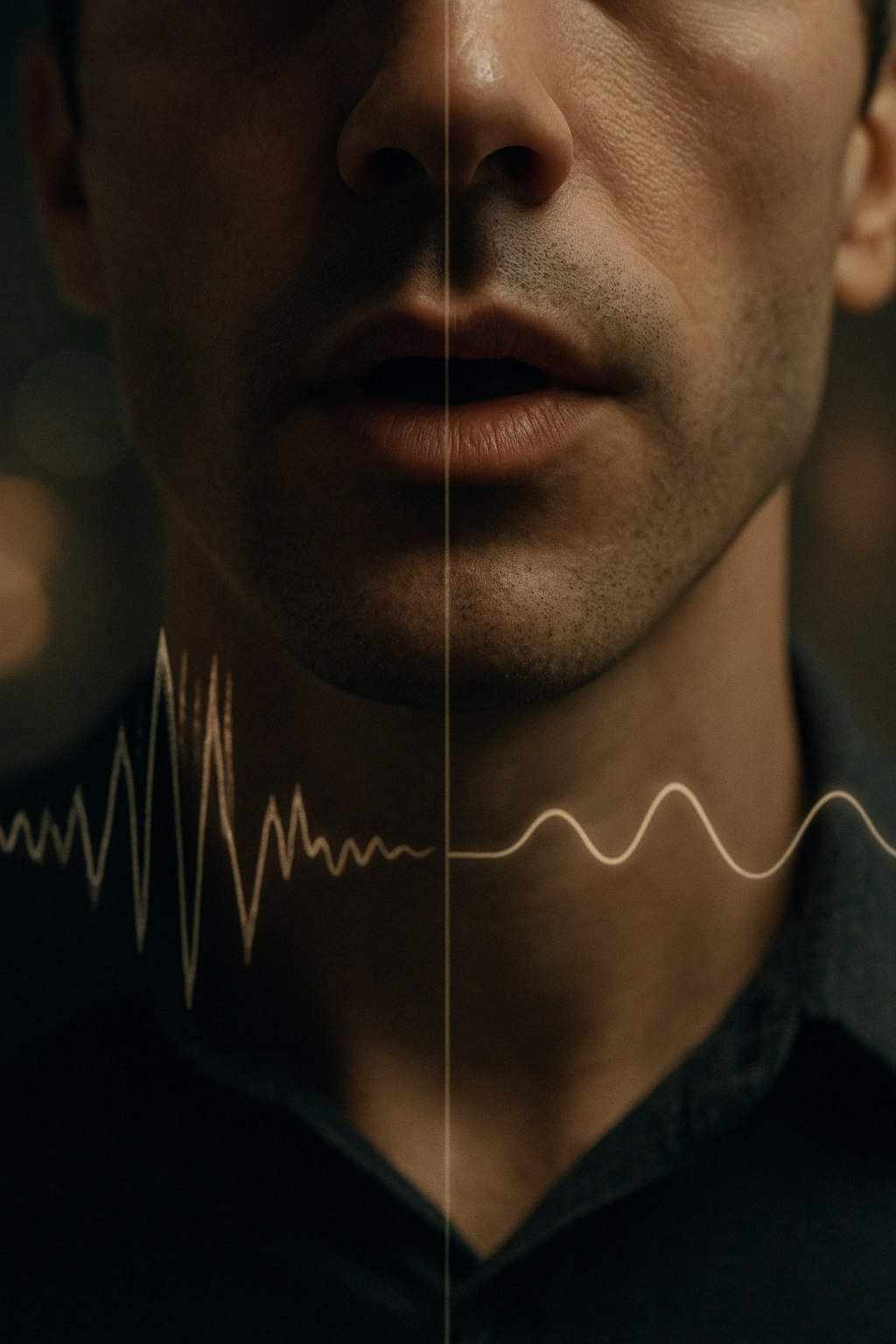
There’s a curious tension in how we speak when we want to be heard. The natural temptation is to speak quicklyrushing through words as if speed itself signals certainty. But beneath that hurried pace lies a paradox: speaking too fast can actually signal the opposite, planting seeds of doubt in the listener's mind. Our brains, finely tuned over millennia to catch subtle cues, pick up on more than just the words we say. They listen to the rhythm of our voice, the measured cadence that reveals whether we truly believe what we’re saying.
The Rhythm of Confidence
Confidence isn’t just a feeling. It is a physical presence, a signal sent out through body language, tone, and yes, speech pace. Our instincts favor steadiness. When someone speaks with a measured, deliberate rhythm, they seem anchored and in command. The silence between words, the slight pauseit’s in this space that our brain interprets focus and intention.
This is not just about how words fall from the mouth. It’s about how human biology and perception are wired to interpret these signals. When you speak quickly, your brain perceives it as hurried, scattered, even anxious. There’s an implicit urgency that feels ungrounded, as if you are trying to rush past deeper scrutiny or hide uncertainty behind speed.
Biology Behind the Beat
If you consider the intricate connection between our voice and brain, it becomes clearer why a fast pace can work against self-assurance. The human nervous system thrives on predictability and rhythm, much like the beating of a heart or the steady breathing that calms us. Speech is an extension of this rhythm.
When you speak too quickly, your breathing pattern changes. Your diaphragm contracts more rapidly; your heart rate can nudge upward, subtly revealing nervous energy. Yet this shift isn’t just physiologicalit feeds back into the very confidence you want to project. The body mirrors the mind’s inner tension, and the listener picks up on this unconscious alarm.
Between Urgency and Pause
There’s an art to finding the balancebetween speaking hurriedly and hesitating too long. When you slow down too much, you risk sounding unsure, as if your ideas are struggling to reach the surface. Pause too long and you might lose the listener, tempting their mind to wander or question your preparedness.
True confidence walks this tightrope. It lives in the smooth rhythm where urgency is tempered by calm. Each word carries weight because it’s chosen, not spilled. The voice becomes a musical instrument, not a machine gun of syllables.
Confidence Beyond Words
We often assume persuasion is about the content of what we say. But as much as meaning matters, it is the delivery that commands belief. Psychology and neuroscience hint at this deeper truth: our brains relentlessly monitor consistency, emotional tone, and pacing to judge trustworthiness.
Speaking fast can sound like you want to “win” the conversation too quickly, bypassing genuine connection. It’s a shift from dialogue to race, turning a human exchange into a competition. On the other hand, a measured voice says you are present, confident enough to be patient, willing to be heard fully.
A Reflection on Everyday Moments
Think of a moment when someone shared something important but seemed to rush through it. Maybe it was a friend telling a story, a colleague presenting an idea, or even yourself in a moment of nervousness. Did that rapid pace pull you in or push you back?
In daily life, these subtle shifts matter. Speaking slower doesn’t demand grand gestures; it simply invites a kind of presence that feels both sincere and confident. It honors the listener’s ability to absorb meaning, mirrors your own steadiness, and offers a quiet strength beneath the surface.
Confidence is as much a dance within as it is a signal without. Learning to speak with intention, to embrace a natural rhythm, helps bridge the gap between what we feel inside and how the world perceives us. It allows us to say, not just what we mean, but to speak like we truly mean it.
This article is intended for educational, reflection, and entertainment purposes only and is not medical advice.